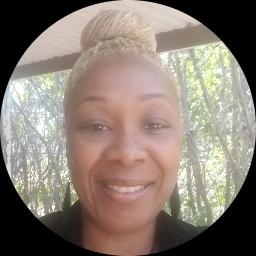
About Caserea
Caserea Townsend is a licensed professional counselor (LPC) practicing in Texas with three years of clinical experience. She focuses on helping people who are dealing with stress, anxiety, low self-esteem, depression, parenting strains, and life changes. Her approach centers on creating an open space where clients can speak frankly and feel heard.
She uses straightforward conversation and practical skills in sessions. Clients can expect to talk through immediate problems and learn small steps to reduce overwhelm.
Background and approach
Sessions often cover coping tools for anxiety, strategies to manage mood, and ways to build confidence over time. Caserea emphasizes collaboration. She helps people set clear, realistic goals and checks in on progress each session.
When communication or relationship issues come up, she works on concrete communication tactics and boundary-setting skills. Mindfulness and present-moment awareness are woven into her work when helpful. She also draws from cognitive behavioral ideas to identify unhelpful thinking and from solution-focused techniques to notice what already works.
Dialectical behavior ideas are used to manage intense emotions and improve distress tolerance when needed. Sessions are practical and down-to-earth. Caserea aims to make therapy feel manageable for people juggling work, parenting, or other life demands.
Her style is supportive and direct, focused on small, useful changes that fit into everyday life.
Approaches that guide online sessions
Caserea blends client-centered work with cognitive behavioral techniques to help people tackle anxiety and stress. Client-centered therapy focuses on listening and understanding your goals so you feel supported in making changes. Cognitive behavioral therapy helps identify unhelpful thoughts and teaches practical ways to test and change them.She also uses dialectical behavior therapy skills to manage intense emotions and improve coping. DBT-based strategies teach concrete tools for distress tolerance, emotional regulation, and clearer communication when feelings run high. Together these approaches help with mood, relationships, and coping during life transitions.
Finding the right approach is collaborative. The therapist will talk with each person about their concerns, try a few methods, and adjust based on what feels most useful. Goals, preferences, and everyday demands guide the plan rather than a fixed protocol.
Online therapy offers flexible ways to meet. Video calls are useful for deeper conversations and visual connection. Phone sessions can be shorter check-ins or a good option when bandwidth is limited. Live chat and text-based messaging allow quick support, homework check-ins, or ongoing coaching between sessions. These options make it easier to fit therapy into busy schedules and to keep working on skills between meetings.
Questions people ask
What concerns does this therapist address?
How would you describe her therapeutic style?
What is her professional background?
Where is she licensed and based?
Which languages are supported for sessions?
What session formats are available?
How are fees and billing handled?
How do I begin working with her?
What this therapist works with
Most often
- Stress, Anxiety
- Parenting issues
- Self esteem
Also listed
- ADHD
- Anger management
- Communication problems
- Control issues
- Coping with life changes
- Depression
- Divorce and separation
- Domestic violence
- Drug and alcohol addiction
- Fatherhood issues
- Forgiveness
- Grief
- Guilt and shame
- Impulsivity
- Intellectual disability
- LGBT
- Life purpose
- Men's issues
- Money and financial issues
- Relationship issues
- Self-love
- Women's issues
- Workplace issues
- Young adult issues
Therapeutic approaches
- Experience
- 3 years
- Licensed
- Texas
- Languages
- English
We will earn a commission if you sign up through our link, at no cost to you.