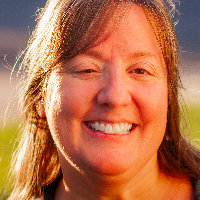
About Caroline
Caroline Schnarrs is a licensed clinical social worker who helps people facing stress and anxiety. She brings 23 years of experience in social work and counseling to sessions. Her manner is warm and collaborative and she centers respect and dignity in her work.
Caroline listens first and helps clients set clear, manageable goals. She uses talk, practical exercises, and straightforward tools so people can try new ways of thinking and acting.
Background and approach
Sessions focus on what a person needs now and what steps feel doable. Her background includes long-term practice with people facing addiction, homelessness, family conflict, and major life shifts. She has worked in different settings and has seen a wide range of struggles.
That experience shapes a practical, strengths-focused way of working. Caroline blends client-centered work with cognitive behavioral and solution-focused approaches. She also draws on dialectical behavior concepts and motivational interviewing to address motivation and emotion regulation.
These methods are used to reduce symptoms and build daily skills. People often come for help with relationships, parenting challenges, grief, trauma and abuse, or life changes that feel overwhelming. She also supports those managing chronic illness, caregiver stress, ADHD, and career-related concerns.
Caroline practices in Utah and conducts sessions in English.
Approaches that guide online sessions
Client-centered therapy emphasizes listening and making the session fit the individual. It focuses on a respectful, empathic relationship and helps people feel heard as they sort through stress and anxiety.Cognitive Behavioral Therapy or CBT looks at thinking and behavior together. It teaches practical steps to change thought patterns and try out new behaviors, which can ease anxiety, depression, and problems with motivation.
Dialectical Behavior Therapy or DBT offers concrete skills for managing strong emotions and improving interpersonal effectiveness. It can be especially useful for people who need tools for emotion regulation and for reducing impulsive reactions.
Finding the best approach is part of the work. The therapist collaborates with each person to choose or combine methods that match their goals, needs, and preferences. That choice can change over time as progress is made.
Online sessions use video calls, phone sessions, live chat, or text-based messaging to make therapy flexible. Video works well for in-depth conversations and skill practice. Phone is useful when bandwidth is limited or when a quieter setup is needed. Live chat and messaging are good for short check-ins, homework prompts, or when writing out thoughts feels easier. These options help fit therapy into a busy life.
Questions people ask
What kinds of concerns does Caroline address?
How would you describe her therapeutic style?
What is her experience background?
What credential does she hold and where does she practice?
Which languages are supported in sessions?
What session formats are available?
How does cost and billing work?
How do I begin working with her?
What this therapist works with
Also listed
- Addictions
- ADHD
- Anger management
- Bipolar disorder
- Blended family issues
- Career difficulties
- Caregiver issues and stress
- Chronic pain, illness, and disability
- Communication problems
- Compassion fatigue
- Coping with life changes
- Depression
- Divorce and separation
- Domestic violence
- Emptiness
- Family conflicts
- Family of origin issues
- Family problems
- Forgiveness
- Grief
- Guilt and shame
- Hoarding
- Impulsivity
- Intellectual disability
- Intimacy-related issues
- Isolation / loneliness
- Life purpose
- Mood disorders
- Parenting issues
- Postpartum depression
- Prejudice and discrimination
- Relationship issues
- Self-harm
- Self-love
- Women's issues
- Workplace issues
- Young adult issues
Therapeutic approaches
- Experience
- 23 years
- Licensed
- Utah
- Languages
- English
We will earn a commission if you sign up through our link, at no cost to you.