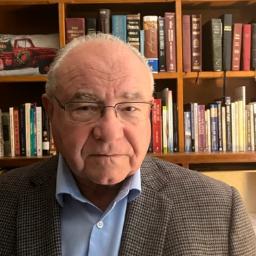
About Bruce
Rev. Bruce Carpenter is a Licensed Professional Counselor (LPC) based in Texas who emphasizes compassionate, person-centered care. He draws on 11 years of counseling experience to help people facing stress, anxiety, grief, and relationship strain.
He writes and talks plainly, and aims to make therapy understandable and usable for busy lives. Bruce uses straightforward conversation to identify what matters most to each person. He listens for patterns that keep problems repeating and helps clients try different ways of responding.
Background and approach
Sessions focus on practical steps people can take between meetings to reduce stress and improve daily functioning. His background blends ministry work, counseling education, and hands-on emergency service. That mix informs a grounded style that values faith where it matters to a client, while keeping the conversation focused on goals and coping skills.
He has experience supporting parents, first responders, and caregivers through acute and ongoing stress. Bruce works with a range of concerns including relationship conflict, trauma and abuse, parenting challenges, self-esteem, anger, and life transitions. He also addresses career stress, compassion fatigue, and the isolation that can follow big life changes.
He helps people untangle guilt, shame, and issues around forgiveness so they can move forward. In sessions he may use client-centered methods alongside cognitive-behavioral and trauma-focused approaches. He also uses solution-focused ideas and the Gottman Method for relationship work.
His aim is to help people build better routines, clearer thinking, and more satisfying relationships.
How Bruce Uses Therapy Methods Online
Client-centered therapy focuses on listening and understanding the person as a whole. It helps people feel heard and shapes goals from their own values and priorities. Cognitive Behavioral Therapy, or CBT, looks at thoughts and behaviors and offers practical tools to reduce anxiety and change unhelpful patterns. The Gottman Method offers structured ways to address relationship conflict and build communication skills.Choosing the right approach is a cooperative process. The therapist will talk about goals and priorities and suggest options based on what the client wants to achieve. Together the client and therapist decide whether to try short problem-focused work, trauma-focused strategies, or relationship-focused sessions, and they adjust the plan as needed.
Online formats make it easier to fit therapy into a busy life. Video calls allow face-to-face conversation when a deeper exchange is helpful. Phone sessions can work when bandwidth is low or during a break at work. Live chat and text messaging are useful for brief check-ins, skill practice, or when writing feels more comfortable. These options give more flexibility for people managing work, parenting, or irregular schedules.
Questions people ask
What concerns does this therapist address?
How would sessions feel in terms of style?
What is his professional background?
What credentials does he hold and where is he located?
Can I work with him if I live outside the United States?
Which session formats are available?
How are fees handled?
What steps are needed to begin therapy?
What this therapist works with
Most often
- Relationship issues
- Trauma and abuse
- Grief
Also listed
- Anger management
- Career difficulties
- Caregiver issues and stress
- Codependency
- Compassion fatigue
- Coping with life changes
- Coping with natural or human-caused disaster
- Depression
- Divorce and separation
- Emptiness
- Family conflicts
- Family problems
- Fatherhood issues
- First responder issues
- Forgiveness
- Guilt and shame
- Infidelity
- Isolation / loneliness
- Jealousy
- Life purpose
- Men's issues
- Midlife crisis
- Parenting issues
- Post-traumatic stress
- Self esteem
- Stress, Anxiety
- Workplace issues
- Young adult issues
Therapeutic approaches
- Experience
- 11 years
- Licensed
- Texas
- Languages
- English
We will earn a commission if you sign up through our link, at no cost to you.