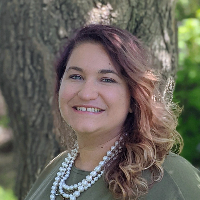
About Brittany
Brittany Schwarten is a licensed clinical social worker with 11 years of experience. She focuses on practical tools and honest conversation to help people manage stress, anxiety, depression, and life transitions. Brittany aims to build trust quickly and listens first, then helps set clear goals for change.
She draws on a blend of approaches rather than a single technique. Sessions often combine talking, skills practice, and real-world steps to reduce symptoms and build coping habits.
Background and approach
Brittany is direct but warm and will challenge people when it helps them grow. Her background includes work in independent practice, school-based therapy services, and higher levels of care. She has led DBT group work, social skills groups for children, and parent psychoeducation groups.
Those roles shaped a practical, skills-oriented style that she brings to individual sessions. Brittany helps people with a wide range of concerns including trauma and abuse, coping with life changes, relationship and intimacy issues, parenting strain, and work or career stress. She also supports people dealing with ADHD, bipolar mood concerns, obsessive or compulsive symptoms, and compassion fatigue.
In sessions she mixes Attachment-Based ideas, client-centered listening, cognitive behavioral techniques, DBT skills, and EMDR when appropriate. The goal is to meet each person where they are and work toward manageable steps. She encourages attention to mind, body, and self-care while offering resources when useful.
Approaches that fit online work
Attachment-Based Therapy focuses on how relationships shape feelings and behavior. Online sessions can look at patterns in current relationships and help people try new ways of connecting. Cognitive Behavioral Therapy, or CBT, breaks problems into thoughts, feelings, and actions and teaches concrete skills to change them. It helps with anxiety, depression, and many everyday stressors. Eye Movement Desensitization and Reprocessing, or EMDR, is a structured approach for processing traumatic memories and reducing their emotional impact; parts of EMDR can be adapted for remote sessions with guidance.Choosing the right approach is a collaborative process. The therapist will listen to goals, try methods, and adjust based on what helps. That way treatment fits the person, not the other way around.
Online therapy offers several practical benefits. Video calls make it possible to work face-to-face without travel. Phone sessions or chat can fit into a work break or a busy day. Text-based messaging and live chat let people check in between sessions and keep progress moving. These options provide flexibility so someone can pick the format that best matches their routine and needs.
Questions people ask
What concerns can Brittany help with?
What is her therapy style like?
How much clinical experience does she have?
What are her credentials and location?
Which languages are supported and can she work internationally?
What session formats are available?
How much do sessions cost?
How do I begin working with her?
What this therapist works with
Also listed
- Abandonment
- ADHD
- Anger management
- Bipolar disorder
- Career difficulties
- Coaching
- Codependency
- Communication problems
- Compassion fatigue
- Coping with life changes
- Family conflicts
- Intimacy-related issues
- LGBT
- Obsessions, compulsions, and OCD
- Parenting issues
- Post-traumatic stress
- Relationship issues
- Self esteem
- Self-harm
- Self-love
- Women's issues
- Young adult issues
Therapeutic approaches
- Experience
- 11 years
- Licensed
- Wisconsin
- Languages
- English
We will earn a commission if you sign up through our link, at no cost to you.