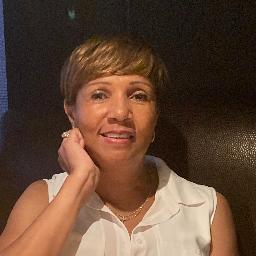
About Barbara
Barbara Spruill is a Licensed Professional Counselor (LPC) in Texas who helps people facing stress, anxiety, depression, and addictions. She directs care toward everyday struggles like sleep problems, anger, low self esteem, grief, and relationship challenges. Barbara also supports people coping with trauma and abuse, life transitions, and concerns tied to caregiving and aging.
Barbara brings nine years of counseling experience to her work. She uses straightforward, practical methods and adapts to each person’s needs.
Background and approach
Sessions focus on clear goals and step-by-step skills people can use between meetings. Her approach blends client-centered listening with cognitive-behavioral tools and mindfulness practices. She also draws on motivational interviewing to help people change habits and the Gottman Method for relationship communication and conflict patterns.
This mix lets her match techniques to the problem at hand. Clients can expect a respectful, nonjudgmental space where pace is set by the person seeking help. Barbara emphasizes dignity and meeting people where they are rather than pushing quick fixes.
She works calmly through setbacks and builds coping tools over time. Barbara has particular experience with issues often linked to substance use and military service. She can help with recovery-focused conversations, relapse prevention planning, and processing combat-related stress.
Her practical orientation aims to reduce daily distress and restore better sleep, calmer reactions, and clearer thinking.
How Barbara’s Methods Work Online
Client-Centered Therapy is about listening and shaping help around each person’s concerns. It focuses on understanding feelings and building a respectful working relationship that guides the rest of the work. Cognitive Behavioral Therapy, or CBT, breaks problems into thoughts, feelings, and behaviors and teaches concrete steps people can use to shift unhelpful patterns and reduce anxiety and low mood.Barbara and the person she sees decide together which methods to try first. That might mean starting with short skill-building sessions, then adding deeper conversation or exercises. She checks in about progress and adjusts approaches to match goals and comfort level so the plan feels collaborative rather than fixed.
Online formats include video calls, phone sessions, live chat, and text-based messaging. Video allows face-to-face conversation when more nuance is helpful. Phone sessions use less data and can be easier to fit into a break at work. Live chat and messaging offer brief check-ins, homework exchanges, or ongoing support between longer sessions. These options make it simpler to keep therapy consistent and fit it into a busy life.
Questions people ask
What concerns does she address?
How would you describe her therapy style?
What kind of experience does she have?
What credentials and location are listed?
Which languages are supported for sessions?
What session formats are available?
How is cost handled?
What are the first steps to begin therapy?
What this therapist works with
Most often
- Stress, Anxiety
- Addictions
- Relationship issues
Also listed
- Aging and geriatric issues
- Anger management
- Bipolar disorder
- Caregiver issues and stress
- Coaching
- Codependency
- Communication problems
- Coping with life changes
- Depression
- Divorce and separation
- Domestic violence
- Drug and alcohol addiction
- Family conflicts
- Forgiveness
- Grief
- Infidelity
- Intimacy-related issues
- Jealousy
- Life purpose
- Money and financial issues
- Post-traumatic stress
- Self esteem
- Self-harm
- Self-love
- Sleeping disorders
- Trauma and abuse
- Veteran and Armed Forces Issues
- Workplace issues
Therapeutic approaches
- Experience
- 9 years
- Licensed
- Texas
- Languages
- English
We will earn a commission if you sign up through our link, at no cost to you.