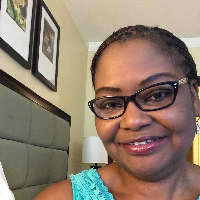
About Augustina
Augustina Garba is a Licensed Professional Counselor with more than two decades of experience. She helps people who are struggling with anxiety, stress, depression, grief, trauma, and relationship problems. She speaks English and provides care from Wisconsin.
Garba draws from practical methods that help people make small changes that add up. She listens, asks clear questions, and suggests short exercises clients can try between sessions. Many clients work on managing panic, reducing daily stress, or improving communication with important people in their lives.
Background and approach
Her early work included adult mental health settings where she supported people with severe mood and thought disorders. That period also included time helping people who had experienced severe abuse and neglect, which influenced her later focus on trauma recovery and related issues like post-traumatic stress and shame.
Since moving into independent practice in 2009 she has worked with individuals, couples, and families. She supports adult survivors of childhood abuse who are coping with depression, anxiety, PTSD symptoms, panic, and stress. She also helps people navigate relationship concerns, separation, anger, and parenting strain.
In sessions she uses clear teaching, practical homework, and a steady, collaborative style. Her aim is to help clients build skills and regain confidence so they can move toward lasting changes. She approaches therapy as a partnership, offering consistent support and straightforward tools.
Evidence-informed approaches for online care
Acceptance and Commitment Therapy helps people notice difficult thoughts and feelings without getting stuck in them, then choose actions that reflect their values; it is useful for anxiety, stress, and life-direction questions. Cognitive Behavioral Therapy focuses on identifying unhelpful thinking patterns and changing behaviors that maintain distress, which often helps with panic, depression, and worry. Client-Centered Therapy emphasizes a supportive, nonjudgmental relationship where the therapist listens deeply and follows the client's agenda to build insight and self-trust.Finding the right approach is a shared process. The therapist will discuss goals and preferences and suggest which methods to try first, adjusting the plan as progress unfolds. Clients and the therapist decide together how to combine techniques so the work matches individual needs.
Online therapy offers flexibility and concrete conveniences. Video calls allow face-to-face conversation when a longer session is helpful. Phone sessions use less bandwidth and can fit into a short break. Live chat and text-based messaging let people check in between sessions or use brief written exchanges when typing feels easier. These options make it simpler to fit consistent therapeutic work into a busy life.
Questions people ask
What kinds of concerns does she address?
What is her therapy style like?
How long has she been practicing?
What credentials and location are listed?
Which languages are supported for sessions?
Are international clients supported?
What session formats are available?
How are costs and starting steps handled?
What this therapist works with
Most often
- Stress, Anxiety
- Relationship issues
- Family conflicts
Also listed
- Abandonment
- ADHD
- Anger management
- Blended family issues
- Commitment issues
- Communication problems
- Depression
- Divorce and separation
- Eating disorders
- Family of origin issues
- Family problems
- Forgiveness
- Grief
- Guilt and shame
- Impulsivity
- Intimacy-related issues
- Isolation / loneliness
- Life purpose
- Mood disorders
- Parenting issues
- Post-traumatic stress
- Self esteem
- Self-love
- Social anxiety and phobia
- Trauma and abuse
- Workplace issues
Therapeutic approaches
- Experience
- 21 years
- Licensed
- Wisconsin, Minnesota
- Languages
- English
We will earn a commission if you sign up through our link, at no cost to you.