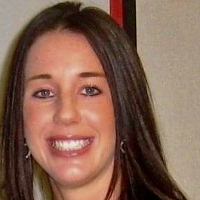
About Ashley
Dr. Ashley Sutton is a Licensed Professional Counselor (LPC) in Texas with eight years of clinical experience. She focuses on helping people facing anxiety, stress, depression, anger, and other mood concerns.
Her style is straightforward and practical, aimed at easing daily struggles so life feels more manageable. She emphasizes an approach that looks at thoughts, feelings, and actions together. Sessions aim to help people notice unhelpful thinking patterns and practice different ways of responding.
Background and approach
She also draws on brief, goal-focused methods to build quick, useful skills for coping and problem solving. Her background includes work in correctional settings, residential treatment centers, and independent practice. That variety informs a flexible approach that adapts to each person's situation.
She uses a strengths-based mindset, looking for past successes that can be used to tackle current problems. Typical concerns addressed include relationship strain, family problems, trauma and abuse, grief, codependency, panic and obsessive patterns, and first responder issues. She helps people deal with life transitions and rebuild self-esteem after hard experiences.
In sessions, she combines client-centered listening with practical exercises drawn from cognitive behavioral and solution-focused work. The goal is to create clear, doable steps a person can use outside of sessions. People who prefer a collaborative, skills-based path may find her approach helpful.
How therapeutic approaches work online
Client-centered therapy focuses on listening and helping the person lead the pace of change. The therapist reflects what’s said and helps people identify their own solutions, which can help with anxiety and low self-worth.Cognitive behavioral therapy, or CBT, looks at how thoughts influence feelings and behavior. It uses specific exercises and homework to reshape unhelpful thinking and reduce symptoms like panic or persistent worry.
Dialectical behavior therapy, DBT, teaches skills for regulating intense emotions and improving interpersonal effectiveness. It can be helpful for anger, mood swings, and patterns that cause repeated conflict.
Choosing an approach is a collaborative process. The therapist will review concerns, try techniques, and adjust the plan based on what helps. Clients and the therapist work together to set goals and decide which methods fit best.
Online formats - video calls, phone sessions, live chat, and text messaging - make it easier to fit therapy into a busy life. Video lets people use visual cues, phone calls need less bandwidth, live chat can be a quick check-in, and messaging supports ongoing reflection between sessions. These options offer flexibility so people can choose what works for their schedule and needs.
Questions people ask
What kinds of concerns does she address?
What is her general therapeutic style?
How much clinical experience does she have?
What are her credentials and where is she based?
Which languages are sessions offered in?
What session formats are available?
How are sessions paid for and what do they cost?
How do I begin working with her?
What this therapist works with
Most often
- Stress, Anxiety
- Anger management
- Bipolar disorder
Also listed
Therapeutic approaches
- Experience
- 8 years
- Licensed
- Texas
- Languages
- English
We will earn a commission if you sign up through our link, at no cost to you.