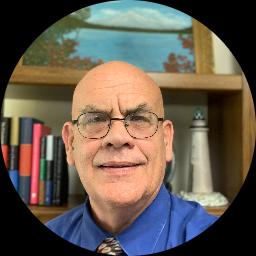
About Anthony
Dr. Anthony Schefstad works with people who are struggling with anxiety, stress, addictions, trauma, grief, and other heavy life challenges. He presents a calm, straightforward approach and aims to make the first steps toward change feel manageable.
He is identified as an LCSW and brings three decades of professional experience to sessions in Florida. He focuses on plain conversation and practical strategies rather than jargon. Sessions begin by hearing what matters most to the person and then building a plan that fits their life.
Background and approach
He adapts his style so people can use what they learn in everyday situations. His background includes extended practice helping people who face trauma, substance problems, phobias, panic, and grief. He also has experience supporting those affected by first responder and veteran issues, and people dealing with multicultural stressors.
That breadth helps when problems overlap or feel complex. Dr. Schefstad uses several approaches depending on the need.
He draws on client-centered methods that put the person's goals first, cognitive behavioral techniques to change unhelpful thinking and behavior, and hypnotherapy when suitable. Motivational interviewing and solution-focused work are used to boost momentum and set clear steps forward. He describes his role as supportive and empowering.
People can expect respectful, goal-oriented conversations and practical tools to try between sessions. His practice is based in Florida and sessions are offered in English.
Approaches that translate well to online care
Client-centered therapy focuses on listening and building goals based on each person's priorities. The therapist follows the person's lead and helps clarify what matters most and what changes they want to make. Cognitive Behavioral Therapy or CBT looks at the links between thoughts, feelings, and actions and uses concrete exercises to test new ways of thinking and behaving. That approach can help with anxiety, panic, and low mood. Hypnotherapy involves guided relaxation and focused attention to support changes in habit, confidence, or reactions to triggers and may be offered when it fits a person's goals.Deciding which approach to use is a collaborative process. The therapist will discuss options, try short experiments, and adjust methods based on how the person responds. The plan can shift over time so it matches goals and comfort with different techniques.
Online formats include video calls, phone sessions, live chat, and text-based messaging. Video is useful for full conversations and skill practice. Phone sessions can work when bandwidth is limited or a different setting is needed. Live chat and text messaging make brief check-ins and between-session support easier to fit into a busy day. These options give flexibility so therapy can fit work, caregiving, or other commitments.
Questions people ask
What issues does this therapist address?
What kind of therapy style should I expect?
How much experience does the therapist have?
What credentials and location information are provided?
Are sessions offered in other languages or to international clients?
Which session formats are available?
How does billing and cost work?
What are the first steps to begin therapy?
What this therapist works with
Also listed
- Anger management
- Antisocial personality
- Career difficulties
- Compassion fatigue
- Coping with life changes
- Depression
- Drug and alcohol addiction
- First responder issues
- Grief
- Multicultural concerns
- Panic disorder and panic attacks
- Personality disorders
- Phobias
- Post-traumatic stress
- Process addiction (porn, exercise, gambling)
- Self esteem
- Sexual assault and abuse
- Smoking / vaping cessation
- Social anxiety and phobia
- Veteran and Armed Forces Issues
Therapeutic approaches
- Experience
- 30 years
- Licensed
- Florida
- Languages
- English
We will earn a commission if you sign up through our link, at no cost to you.