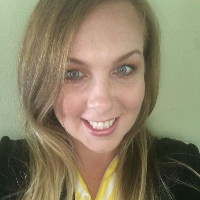
About Anita
Dr. Anita Anglade brings 12 years of clinical practice to people coping with stress, anxiety, life changes, and relationship strain. She is an LMFT (Licensed Marriage and Family Therapist) based in New York.
Anita draws on hands-on experience from community and social activism and understands how caring roles can wear people down. Her work focuses on helping people find balance between meaningful work and personal needs. She talks with clients about compassion fatigue, burnout, and how to reconnect with sources of joy.
Background and approach
She also supports people dealing with grief, depression, addiction, parenting challenges, and questions about identity and life purpose. In sessions she favors practical, collaborative conversation. Anita uses approaches that emphasize values, emotions, and attachment patterns to help people see what matters most and try small changes.
She encourages realistic steps people can take between sessions to reduce stress and improve relationships. Her background in activism and spirituality shapes how she listens. She respects personal beliefs and helps people translate those beliefs into day-to-day coping and meaning.
She also helps people find community resources and supports that fit their lives. People who choose her often want a therapist who understands caretaking roles and mission-driven work. Anita aims to help clients hold on to what matters while creating space for rest, creativity, and connection.
Approach-driven care delivered online
Acceptance and Commitment Therapy (ACT) focuses on clarifying personal values and taking meaningful action, even when difficult thoughts or feelings show up; it can help with anxiety, stress, and finding direction. Attachment-Based Therapy looks at how early relationships shape current connection patterns and can be useful for people struggling with closeness, trust, or recurring relationship problems. Emotionally-Focused Therapy (EFT) centers on naming and working through core emotions to shift stuck patterns in relationships and in how people relate to themselves.Finding the right approach is part of the work together. The therapist will talk with the client about goals, preferences, and what feels useful, then try approaches that match those needs. That process is collaborative and may shift as new insights emerge.
Online therapy offers practical flexibility. Video calls allow face-to-face interaction when discussion and emotional work are needed. Phone sessions can be a good fit when bandwidth is limited or for quick check-ins. Live chat and text-based messaging support shorter updates, check-ins, or when someone prefers writing between sessions. These options make it easier to fit therapy into busy schedules and varied routines.
Questions people ask
What kinds of concerns does she help with?
How would you describe her therapeutic style?
What is her clinical background?
Where is she licensed and based?
Which languages are supported for sessions?
What session formats are available?
How does billing and cost work?
How do I begin working with her?
What this therapist works with
Most often
- Relationship issues
- Family conflicts
- Self esteem
Also listed
- Addictions
- Anger management
- Attachment issues
- Bipolar disorder
- Blended family issues
- Career difficulties
- Caregiver issues and stress
- Coaching
- Compassion fatigue
- Coping with life changes
- Depression
- Divorce and separation
- Emptiness
- Family problems
- First responder issues
- Forgiveness
- Grief
- Isolation / loneliness
- LGBT
- Life purpose
- Money and financial issues
- Parenting issues
- Postpartum depression
- Pregnancy and childbirth
- Self-love
- Stress, Anxiety
- Trauma and abuse
- Veteran and Armed Forces Issues
- Women's issues
Therapeutic approaches
- Experience
- 12 years
- Licensed
- Indiana, New York
- Languages
- English
We will earn a commission if you sign up through our link, at no cost to you.