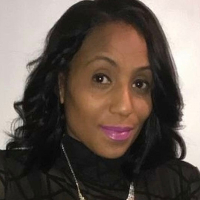
About Andria
Andria Connell is a licensed mental health counselor based in New York who helps people facing anxiety, stress, trauma, and life transitions. She speaks plainly and focuses on practical steps people can use right away. Her approach suits someone who wants clear tools and steady support.
Connell uses straightforward techniques from cognitive behavioral therapy to help change unhelpful thoughts and behaviors. She blends that with client-centered work, which means listening carefully and adapting the pace to each person.
Background and approach
Mindfulness and motivational interviewing also appear in her sessions to help people stay present and find motivation for change. Her background includes six years of clinical experience and a Master’s degree in Clinical Mental Health Counseling with a trauma and crises specialization. She has worked with first responders for more than three years, giving her experience with high-stress work and its aftermath.
That experience informs how she talks about workplace strain, panic, and post-traumatic stress. Sessions are offered online through video, phone, live chat, and text messaging, which can make it easier to fit therapy into a busy schedule. She often helps people build coping skills for anxiety, manage anger, address substance use patterns, and work through grief or relationship strain.
People who want practical strategies and a collaborative listener may find her style helpful. She focuses on small, manageable changes that add up over time. The work is paced to each person’s needs and goals.
How these approaches work in online therapy
Client-centered therapy focuses on listening and responding to each person's experience. The therapist follows the client's lead, reflects what is said, and helps people find their own solutions, which works well for anxiety and life transitions. Cognitive behavioral therapy, or CBT, looks at the links between thoughts, feelings, and actions and teaches practical skills to reduce panic, manage worry, and change behaviors that keep problems going.Choosing the right approach is part of the work. The therapist will discuss goals and try different strategies so the client and therapist can decide together what helps most. That collaborative process lets sessions shift over time as needs change and progress is made.
Online therapy makes this flexible and accessible through video calls, phone sessions, live chat, and text messaging. Video is useful for full conversations and visual cues, phone can be lower bandwidth, chat works for shorter check-ins, and messaging lets people share thoughts between sessions. These options help people fit therapy into busy lives and stay consistent with treatment.
Questions people ask
What concerns does she address?
What is her therapy style like?
How much clinical experience does she have?
Where is she licensed and based?
Which languages are sessions offered in?
Can people outside the U.S. work with her?
What session formats are available?
How do I start therapy with her?
What this therapist works with
Most often
- Stress, Anxiety
- Trauma and abuse
- Anger management
Also listed
- Addictions
- Blended family issues
- Career difficulties
- Communication problems
- Coping with life changes
- Depression
- Disruptive Mood Dysregulation Disorder (DMDD)
- Family problems
- First responder issues
- Forgiveness
- Guilt and shame
- Panic disorder and panic attacks
- Parenting issues
- Post-traumatic stress
- Relationship issues
- Self esteem
- Self-love
- Women's issues
- Workplace issues
- Young adult issues
Therapeutic approaches
- Experience
- 6 years
- Licensed
- New York
- Languages
- English
We will earn a commission if you sign up through our link, at no cost to you.