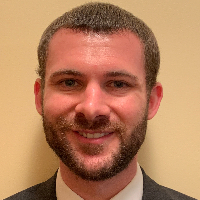
About Andrew
Andrew Miller is a Licensed Independent Clinical Social Worker (LICSW) and a Licensed Clinical Social Worker (LCSW) practicing from Indiana. He focuses on anxiety and stress as well as related concerns such as depression, grief, trauma and abuse, and coping with life changes. He aims to create a calm space where people can talk through what’s worrying them without judgment.
Andrew takes a straightforward and practical approach. He listens first to understand what matters most, then works with each person to set realistic goals.
Background and approach
Sessions often include learning simple tools for managing difficult feelings and habits that make daily life harder. His work blends several methods to match the person sitting in front of him. Cognitive Behavioral Therapy helps identify unhelpful thoughts and test new ways of thinking.
Client-Centered work keeps the conversation focused on the person’s priorities. Mindfulness exercises are used to build awareness and reduce reactivity. Andrew has five years of clinical experience in Northern Indiana and has held LCSW and LICSW credentials.
He also uses Eye Movement Desensitization and Reprocessing, or EMDR, for people who have trauma-related memories that continue to cause distress. He describes therapy as a collaborative process where small steps add up. Outside of work he reads widely and enjoys pop culture like Star Wars and Marvel.
He is comfortable helping people address challenges such as parenting stress, relationship strain, addiction concerns, ADHD, and issues tied to self-esteem and shame.
How Andrew’s Approaches Work Online
Client-Centered Therapy focuses on giving the person space to talk and be heard. The therapist follows the individual’s lead, helps clarify what matters most, and supports choices that feel right. Cognitive Behavioral Therapy, or CBT, looks at thoughts and behaviors that keep problems going and teaches practical exercises to change them.EMDR, or Eye Movement Desensitization and Reprocessing, is used when past memories continue to cause strong reactions. It involves guided techniques to reduce the intensity of those memories and to help people feel less stuck. These approaches are chosen to match the issue at hand, whether it is anxiety, trauma, or difficulty coping with life changes.
Finding the best approach is part of the work together. The therapist will talk through options, try methods that seem useful, and adjust based on what helps. The person and therapist decide together which tools to use and when to shift direction.
Online formats - video calls, phone sessions, live chat, and text messaging - make it easier to fit therapy into a busy life. Video lets for face-to-face conversation, phone can be a lower-bandwidth option, live chat works for shorter check-ins, and messaging supports ongoing reflection between sessions. These choices give flexibility so therapy can happen in ways that suit someone’s schedule and needs.
Questions people ask
What kinds of concerns does Andrew work with?
How would you describe his therapy style?
What is his clinical background?
Where is he licensed and based?
Which languages are sessions offered in?
What session formats are available online?
How are costs and payment handled?
How do I begin working with him?
What this therapist works with
Most often
- Stress, Anxiety
- Family conflicts
- Trauma and abuse
Also listed
- Addictions
- ADHD
- Anger management
- Bipolar disorder
- Compassion fatigue
- Coping with life changes
- Depression
- Grief
- Guilt and shame
- LGBT
- Parenting issues
- Post-traumatic stress
- Relationship issues
- Self esteem
- Self-love
- Sleeping disorders
Therapeutic approaches
- Experience
- 5 years
- Licensed
- Indiana, Massachusetts
- Languages
- English
We will earn a commission if you sign up through our link, at no cost to you.