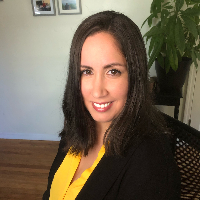
About Yanitza
Yanitza Quiles is a licensed independent clinical social worker (LICSW) who focuses on anxiety, stress, depression, grief, trauma, and related concerns. She speaks English and Spanish and brings 17 years of experience to sessions. She aims to create a straightforward, respectful space where people can talk through what feels overwhelming.
Her style is collaborative and down-to-earth. She treats the person, not a label, and helps people notice strengths they already have.
Background and approach
Sessions often look like practical problem solving mixed with moments to slow down and check how the body and mind are responding. She uses a mix of client-centered work, mindfulness, motivational interviewing, solution-focused techniques, and somatic approaches. That means conversations that center the client's goals, brief steps to try between sessions, skills to calm the body, and questions that invite new perspectives.
These tools are commonly used for anxiety, trauma, mood concerns, and life transitions. Yanitza has worked with a wide range of issues including family strains, intimacy-related challenges, career stress, ADHD, caregiver stress, and end-of-life concerns. She also supports people coping with multicultural stressors, prejudice, postpartum mood difficulties, and seasonal changes in mood.
Based in Massachusetts, she blends practical coaching with therapeutic care. She emphasizes real-world steps alongside emotional processing so people can move toward clearer choices and more manageable days.
How Yanitza Uses Practical Approaches Online
Client-centered therapy focuses on the person's own goals and values, letting the session follow what matters most to the client. This approach helps people feel heard and choose the directions they want to try. Mindfulness therapy teaches simple attention and breathing practices to reduce reactivity and steady mood; it is often used for anxiety, stress, and grief. Motivational interviewing is a conversational style that helps people find their own reasons to change and build small, doable steps toward those changes.Choosing the right approach is a collaborative process. The therapist talks with the client about their needs, goals, and preferences and together they decide which methods to try. Plans can change over time as progress is made or new issues come up, and the clinician invites feedback at each step.
Online work offers practical flexibility. Video calls let most of the session feel like an in-person visit and are good for deeper conversations and skill practice. Phone sessions can fit a short check-in or work better when bandwidth is limited. Live chat and text-based messaging support quick processing, brief coaching, or ongoing check-ins between sessions. These options make it easier to fit therapy into busy schedules and different daily routines.
Questions people ask
What kinds of concerns does she address?
What is her general therapeutic style?
How much experience does she have?
What are her credentials and where is she based?
Which languages are supported in sessions?
What session formats are available?
How does pricing work?
What is the first step to begin?
What this therapist works with
Most often
Also listed
- ADHD
- Aging and geriatric issues
- Bipolar disorder
- Blended family issues
- Career difficulties
- Caregiver issues and stress
- Compassion fatigue
- Coping with life changes
- Depression
- Family conflicts
- Family problems
- Hospice and end-of-life counseling
- Intimacy-related issues
- Isolation / loneliness
- Life purpose
- Mood disorders
- Multicultural concerns
- Post-traumatic stress
- Postpartum depression
- Pregnancy and childbirth
- Prejudice and discrimination
- Seasonal Affective Disorder (SAD)
- Self esteem
- Self-love
- Social anxiety and phobia
- Women's issues
- Workplace issues
Therapeutic approaches
- Experience
- 17 years
- Licensed
- Massachusetts
- Languages
- English, Spanish
We will earn a commission if you sign up through our link, at no cost to you.