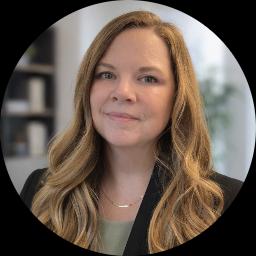
About Virginia
Virginia Morris is a Licensed Clinical Social Worker (LCSW) based in Pennsylvania. She focuses on helping people manage stress and anxiety and addresses issues related to addiction, depression, and low self-esteem. Her style is warm and nonjudgmental, aiming to create a space where clients feel heard and respected.
With ten years of professional experience, Virginia works with adults facing life strain and substance-related problems. She uses a strengths-based approach that looks for practical steps clients can try between sessions.
Background and approach
Conversations tend to be straightforward and goal-focused so people leave with concrete ideas to test in daily life. She also supports people dealing with compassion fatigue, panic attacks, and difficulties like codependency or control issues. Virginia has experience addressing trauma-related concerns and life transitions such as divorce or midlife change.
She pays attention to cultural and immigration-related stress as part of a person’s broader story. Sessions combine talk work with simple skills for managing strong feelings, cravings, or panic. Virginia helps clients build coping plans, practice breathing and grounding techniques, and set small, achievable goals.
Progress is tracked in ways that make sense to each person. People who prefer a practical, empathetic approach tend to fit well with her style. She offers video calls, phone sessions, live chat, and text-based messaging to make therapy more accessible.
Evidence-based techniques and flexible online care
Virginia uses evidence-based therapeutic techniques that focus on skill-building and practical symptom relief. One common method emphasizes learning coping skills and breathing or grounding strategies to reduce panic and intense anxiety. These tools give quick ways to manage sudden symptoms and help during high-stress moments.Another approach centers on strengths and behavior change. This involves setting small, specific goals and tracking progress over time to address patterns like impulsivity, substance use, or avoidance. It helps people break large problems into manageable steps and notice what works for them.
Choosing the right approach is a collaborative process. The therapist will talk with each person about their symptoms, history, and what they want to achieve. Together they decide which techniques to try and adjust the plan as progress is made.
Online therapy formats include video calls, phone sessions, live chat, and text-based messaging. Video is useful for in-depth sessions that benefit from face-to-face interaction. Phone calls can be easier when bandwidth is limited or when someone prefers not to be on camera. Live chat and text work well for brief check-ins, homework review, or steady support between longer sessions. These options make it easier to fit therapy into a busy schedule and maintain continuity over time.
Questions people ask
What concerns does she address?
How would you describe her therapy style?
What is her professional background?
Where is she licensed and located?
Can sessions be done in languages other than English?
What session formats are available?
How are fees and payments handled?
How do I begin working with her?
What this therapist works with
Most often
Also listed
- Codependency
- Compassion fatigue
- Control issues
- Coping with natural or human-caused disaster
- Depression
- Divorce and separation
- Domestic violence
- Drug and alcohol addiction
- First responder issues
- Forgiveness
- Immigration issues
- Impulsivity
- Isolation / loneliness
- Life purpose
- Midlife crisis
- Multicultural concerns
- Panic disorder and panic attacks
- Post-traumatic stress
- Prejudice and discrimination
- Seasonal Affective Disorder (SAD)
- Social anxiety and phobia
- Workplace issues
- Young adult issues
- Experience
- 10 years
- Licensed
- Pennsylvania
- Languages
- English
We will earn a commission if you sign up through our link, at no cost to you.