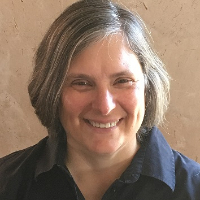
About Tonya
Tonya Walker is a licensed mental health professional based in New Mexico. She holds an MA in Counseling from the University of New Mexico and brings ten years of clinical experience to her work. Tonya focuses on practical ways to manage stress and anxiety and to navigate hard life changes.
Her approach centers on the person in front of her. Sessions begin with listening and understanding what matters most to each client.
Background and approach
She helps people set clear goals and tries techniques that fit their daily life rather than offering one-size-fits-all solutions. Tonya often supports people coping with trauma and abuse, grief, relationship struggles, or sleep and self-esteem concerns. She also works with issues such as bipolar disorder, ADHD, career stress, and identity matters for LGBT individuals.
Her background includes work with survivors of sexual assault and domestic violence, first responder issues, immigration and multicultural concerns. She uses Client-Centered Therapy as a foundation and brings Trauma-Focused Therapy into work around past hurt and post-traumatic stress. In sessions she helps clients build awareness, practical coping skills, and self-compassion so they can manage symptoms and make changes that matter.
Tonya is licensed as an LPCC in New Mexico and as an LMHP in Nebraska. Sessions are offered in English, and she is available to international clients through online formats.
How client-centered and trauma-informed care works online
Client-Centered Therapy focuses on understanding each person's perspective and building a trusting working relationship. The therapist listens without judgment, helps clarify what matters most, and supports people as they set and reach goals for everyday life.Trauma-Focused Therapy concentrates on addressing the effects of traumatic experiences. It helps people process past hurt, reduce symptoms related to post-traumatic stress, and develop coping skills for managing triggers and intense emotions.
Finding the right approach is part of the work together. The therapist and client will talk about needs, preferences, and goals, then choose or adapt methods that feel most useful. That collaborative process helps shape how sessions proceed over time.
Online formats make it easier to fit therapy into a busy life. Video calls let people use face-to-face interaction from home or work. Phone sessions can be a good option when bandwidth is limited or a session needs to be shorter. Live chat and text-based messaging let clients check in between sessions and share reflections in writing. These options provide flexibility and accessibility so people can pursue care in ways that match their routine and comfort.
Questions people ask
What concerns does she help with?
How would you describe her therapy style?
What is her clinical background?
Where is she licensed and based?
Which languages are supported for sessions?
What session formats are available?
How does pricing and payment work?
How do I begin if I want to work together?
What this therapist works with
Also listed
- ADHD
- Bipolar disorder
- Career difficulties
- Coping with life changes
- Domestic violence
- Family conflicts
- Family of origin issues
- First responder issues
- Grief
- Immigration issues
- Intimacy-related issues
- LGBT
- Multicultural concerns
- Post-traumatic stress
- Relationship issues
- Self esteem
- Sexual assault and abuse
- Sleeping disorders
- Women's issues
Therapeutic approaches
- Experience
- 10 years
- Licensed
- Nebraska, New Mexico
- Languages
- English
We will earn a commission if you sign up through our link, at no cost to you.