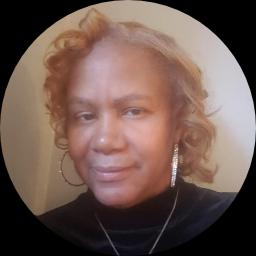
About Toni
Dr. Toni Monroe uses a person-centered approach to help people manage anxiety and stress. She brings three decades of experience as an LPC and focuses on practical steps people can use right away.
Her manner is warm and respectful, and she aims to make sessions straightforward and manageable. She helps people who are coping with depression, addictions, trauma and abuse, and life changes. She also supports those dealing with anger, low self-esteem, career concerns, and feelings of isolation.
Background and approach
Dr. Monroe pays attention to attachment and abandonment issues, caregiver strain, and problems with communication and control. Her work draws on cognitive behavioral techniques to identify unhelpful thoughts and build new habits.
She also uses dialectical behavior ideas for emotion regulation and mindfulness practices to reduce reactivity. Emotionally focused and narrative approaches help people make sense of painful events and rebuild connections with themselves. Sessions are tailored to each person's goals and pace.
People can expect clear, practical suggestions and space to talk through difficult feelings. Dr. Monroe aims to balance empathy with concrete tools so progress feels doable.
She practices in Georgia and conducts sessions in English. Her background spans clinical work with a range of concerns, including first responder issues, post-traumatic stress, women’s issues, and challenges related to HIV/AIDS. Her long experience informs a calm, measured approach to therapy.
Therapeutic approaches and online access
Dr. Monroe blends client-centered therapy with cognitive behavioral methods to help people name what matters and change unhelpful thought patterns. Client-centered work focuses on listening and adapting sessions to each person, while CBT looks at thoughts and behaviors that keep problems going.She also uses dialectical behavior therapy ideas to teach emotion regulation and distress-tolerance skills. Those techniques can be especially useful for intense anxiety, strong mood swings, or when people need concrete steps to calm down and cope.
Finding the right approach is a collaborative process. The therapist will talk with the person about goals, try methods that fit their needs, and adjust the plan over time so it matches what actually helps.
Online sessions are offered as video calls, phone sessions, live chat, or text-based messaging to make care more convenient. Video is good when face-to-face interaction matters, phone can be easier on low bandwidth, and chat or messaging works for short check-ins or when typing feels more comfortable. These options let people fit therapy into work, caregiving, or travel schedules while keeping treatment consistent and flexible.
Questions people ask
What concerns does she address?
What is her therapy style?
What is her professional background?
What credentials and location are listed?
Which languages and international clients are supported?
What session formats are available?
How do fees and billing work?
How do I begin working with her?
What this therapist works with
Also listed
- Abandonment
- Anger management
- Attachment issues
- Career difficulties
- Caregiver issues and stress
- Coaching
- Communication problems
- Control issues
- Coping with life changes
- Depression
- Divorce and separation
- First responder issues
- Forgiveness
- Guilt and shame
- HIV / AIDS
- Isolation / loneliness
- Life purpose
- Post-traumatic stress
- Self esteem
- Social anxiety and phobia
- Women's issues
Therapeutic approaches
- Experience
- 30 years
- Licensed
- Georgia
- Languages
- English
We will earn a commission if you sign up through our link, at no cost to you.