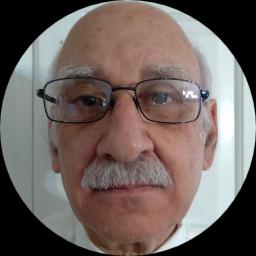
About Thomas
Dr. Thomas Tashjian helps people handle stress, anxiety, depression, anger, sleep problems, and substance concerns. He also supports those coping with ADHD, grief, trauma, chronic pain or illness, and major life changes.
He brings 33 years of clinical experience and practical strategies to sessions. Thomas frames many difficulties as stemming from over-thinking and repetitive self-talk. He uses plain language to identify patterns that keep problems going.
He also draws on his background in pharmacology to separate medication or physical-state effects from psychological symptoms.
Background and approach
In sessions he emphasizes skills people can use right away. That can include thinking tools from cognitive behavioral approaches, mindfulness practices to calm intense feelings, and body-focused techniques to reduce physical tension. He encourages experimenting with small changes between meetings.
Outside the office he’s an outdoorsman, runner, and animal lover who writes short parables about life. Those interests inform his practical, activity-friendly style and his work in experiential programs that link movement and coping skills. Clients can expect a collaborative process that blends discussion, short exercises, and step-by-step skill building.
Thomas helps people identify achievable next steps when health, injury, or changing circumstances disrupt routines. His goal is to make coping simpler and more reliable for day-to-day life.
How online approaches and skills fit your life
Dr. Tashjian commonly uses cognitive behavioral techniques to help people notice unhelpful thoughts and try different responses. CBT focuses on small, concrete changes in thinking and behavior that can reduce anxiety and improve sleep.He also uses mindfulness therapy to build simple attention skills that calm strong emotions and reduce reactivity. Mindfulness practices can be short and easy to use during a busy day to lower stress or interrupt rumination.
The choice of approach is a team decision. He will talk with each person about goals, what has helped before, and what feels manageable. Then he adapts methods so they fit daily routines and health needs rather than forcing a single way of working.
Online formats include video calls, phone sessions, live chat, and text-based messaging. Video sessions allow face-to-face conversation and guided exercises, phone sessions can work when bandwidth is limited, live chat is useful for brief check-ins, and messaging supports ongoing coaching between meetings. These options make it easier to work on skills without traveling and to fit sessions into a busy schedule.
Questions people ask
What kinds of concerns does this therapist address?
How would you describe his therapeutic style?
What experience does he bring to therapy?
What credentials and location are listed?
Which languages are sessions offered in?
What session formats are available?
How are costs handled for sessions?
How do I begin working with this therapist?
What this therapist works with
Most often
- Stress, Anxiety
- Anger management
- Bipolar disorder
Also listed
- Addictions
- ADHD
- Aging and geriatric issues
- Antisocial personality
- Autism and Asperger Syndrome
- Chronic pain, illness, and disability
- Co-morbidity
- Coaching
- Communication problems
- Control issues
- Coping with life changes
- Depression
- Dissociation
- Drug and alcohol addiction
- Grief
- Hoarding
- Obsessions, compulsions, and OCD
- Panic disorder and panic attacks
- Paranoia
- Parenting issues
- Personality disorders
- Phobias
- Post-traumatic stress
- Self esteem
- Self-harm
- Sexual assault and abuse
- Sleeping disorders
- Social anxiety and phobia
- Somatization
- Trauma and abuse
- Traumatic brain injury
Therapeutic approaches
- Experience
- 33 years
- Licensed
- Massachusetts
- Languages
- English
We will earn a commission if you sign up through our link, at no cost to you.