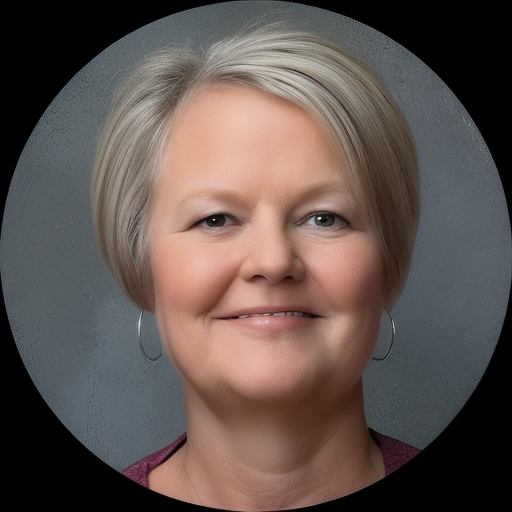
About Suzanne
Suzanne Kapica is a Licensed Professional Counselor with 20 years of experience helping people manage stress, anxiety, trauma, and life transitions. She aims to make visits practical and direct so families can get clear, usable strategies fast. Suzanne listens first and then builds a plan that fits each person's pace and needs.
She focuses on creating a respectful space where people feel heard and understood. Suzanne uses a mix of approaches rather than one fixed method.
Background and approach
Cognitive Behavioral Therapy, for example, is often part of sessions because it helps with thoughts, behaviors, and mood in tangible ways. Sessions often start by clarifying goals and identifying what has been standing in the way. From there she works with clients to apply skills that feel doable day to day.
Techniques may include problem-solving, emotion regulation, and practical communication tools. Suzanne also supports people dealing with attachment concerns, adoption or foster care issues, abandonment, and parenting strain. She has experience addressing chronic pain or illness, postpartum depression, panic attacks, and the fallout from trauma and abuse.
Her manner is client-centered and solution-focused. She moves at a pace that fits each person and uses motivational interviewing when change feels difficult. Suzanne practices in Texas and conducts sessions in English.
Approaches you can use online
Attachment-Based Therapy focuses on how connection and past relationship patterns shape current feelings. It helps people notice repeated relationship hurts and try new ways of relating. Cognitive Behavioral Therapy, or CBT, looks at the link between thoughts, feelings, and actions so people can test and change unhelpful patterns. It is commonly used for anxiety, panic, mood problems, and trauma-related symptoms.Choosing the right approach is a team effort. The therapist will work with the client to identify goals, try methods that fit those goals, and adjust the plan over time. That collaborative process helps find what feels most useful for reducing stress and improving daily functioning.
Online therapy offers flexible options like video calls, phone sessions, live chat, or text-based messaging. Video is useful for in-depth conversations and visual cues. Phone sessions need less bandwidth and can fit into a busy day. Live chat or messaging work well for quick check-ins, brief coping supports, or when writing through feelings is easier. These formats make it simpler to fit therapy into work, school, or caregiving schedules while keeping care consistent.
Questions people ask
What concerns does Suzanne help with?
What is her therapy style like?
How much experience does she have?
Where does Suzanne practice and what are her credentials?
Which languages are supported for sessions?
Can international clients work with her?
What session formats are available?
How does cost and starting therapy work?
What this therapist works with
Most often
- Stress, Anxiety
- Trauma and abuse
- Parenting issues
Also listed
- Abandonment
- Adoption and foster care
- Attachment issues
- Chronic pain, illness, and disability
- Communication problems
- Control issues
- Coping with life changes
- Depression
- Divorce and separation
- Guilt and shame
- Impulsivity
- Isolation / loneliness
- Mood disorders
- Panic disorder and panic attacks
- Post-traumatic stress
- Postpartum depression
- Self-harm
- Self-love
- Sexual assault and abuse
- Social anxiety and phobia
- Young adult issues
Therapeutic approaches
- Experience
- 20 years
- Licensed
- Texas, Michigan
- Languages
- English
We will earn a commission if you sign up through our link, at no cost to you.