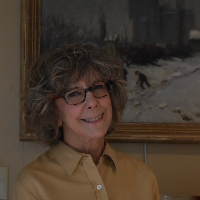
About Suzanne
Dr. Suzanne Cormier welcomes people who are feeling overwhelmed by stress or anxiety. She writes plainly and listens carefully.
She helps clients find small, practical steps they can use day to day. Her style is warm and interactive. Dr.
Cormier holds a PhD and is a Licensed Professional Counselor - LPC in South Carolina. She has 26 years of experience in counseling, coaching, university teaching, and student advising. Much of her recent work has focused on anxiety and stress tied to personal or social concerns.
Background and approach
She begins by getting a clear sense of what a person wants to change. Sessions are collaborative. She draws on cognitive behavioral ideas to identify unhelpful thought and behavior patterns.
She also uses client-centered methods to follow each person's pace and priorities. Emotionally-focused and solution-focused strategies are offered when they fit a client's goals. Motivational interviewing is used to build momentum for change.
The emphasis is on strengths, resilience, and practical problem solving rather than lengthy theory discussions. Dr. Cormier works with people facing life transitions, relationship and communication struggles, grief, parenting questions, and issues around self-esteem.
She also supports those navigating adoption and foster care, aging and geriatric concerns, women's issues, and young adult challenges. Sessions are conducted on weekdays and scheduled to suit both the client and therapist. Most work happens by video or phone, and she uses an integrative approach that adapts to each person's needs.
Therapeutic approaches and online care
Client-centered therapy focuses on listening, empathy, and following the client's lead to build trust and clarity. It helps people who want a supportive space to sort through feelings and figure out next steps.Cognitive behavioral therapy looks at how thoughts, feelings, and actions interact and teaches concrete strategies to change unhelpful patterns. It is useful for managing anxiety, stress, and mood concerns by practicing new ways of thinking and behaving.
Emotionally-focused therapy helps people notice and name their emotions and then work on expressing needs and repairing connections. It can be helpful for relationship strain and communication problems.
Finding the right blend of approaches is part of the work. The therapist partners with each person to choose methods that match their goals, comfort level, and pace. This collaborative process includes checking in and adjusting the plan as progress is made.
Online sessions are offered by video calls, phone sessions, live chat, and text-based messaging to fit different schedules and preferences. Video is often used for deeper conversations, phone can be a simpler option when bandwidth is limited, and messaging is a way to touch base between sessions or for brief check-ins. These formats make it easier to include therapy around work, family, and other commitments.
Questions people ask
What concerns does she commonly help with?
What is her general therapy style?
How much experience does she have?
What credentials and location are listed?
In which languages are sessions offered?
What session formats does she use?
How does pricing work?
How do I begin working with her?
What this therapist works with
Most often
- Stress, Anxiety
- Relationship issues
- Self esteem
Also listed
- Adoption and foster care
- Aging and geriatric issues
- Coaching
- Communication problems
- Coping with life changes
- Depression
- Family conflicts
- Family problems
- Grief
- LGBT
- Midlife crisis
- Parenting issues
- Women's issues
- Young adult issues
Therapeutic approaches
- Experience
- 26 years
- Licensed
- South Carolina
- Languages
- English
We will earn a commission if you sign up through our link, at no cost to you.