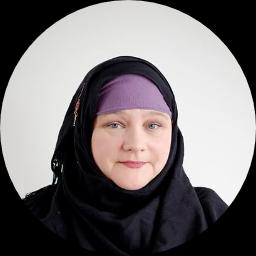
About Suzanne
Suzanne Chalmers is a counsellor based in the United Kingdom. She holds NCPS and has eight years of professional experience supporting people through stress and anxiety. She aims to make the first contact feel manageable and straightforward for worried parents and individuals.
Suzanne uses a warm, non-judgemental approach so people can talk about difficult feelings. She focuses on everyday problems like panic attacks, low mood, grief and the fallout from trauma.
Background and approach
Sessions are practical and grounded in what a person needs right now. Her work includes helping people cope with life changes, relationship strain, low self-esteem and anger. Suzanne also supports those facing immigration issues, multicultural concerns, and challenges linked to neurodiversity such as autism and ADHD.
She listens for the priorities a person brings and helps shape realistic next steps. Suzanne combines client-centred listening with solution-focused techniques to keep sessions focused and useful. That means she gives space to understand feelings and then helps set small, achievable goals.
Many people find this mix helpful when they need clearer ways to manage stress and overwhelming thoughts. Practicalities are discussed early so people know what to expect. Sessions can use video calls, phone, live chat or text-based messaging.
Suzanne also works with people across borders and offers therapy in English for international clients.
Practical approaches for online support
Client-Centred Therapy focuses on listening without judgement and helping a person feel heard. It is useful when someone needs space to talk through feelings like grief, anxiety or the fallout from trauma. Solution-Focused Therapy looks at small, achievable steps and practical changes. It suits people who want quick, concrete ways to manage stress, panic or day-to-day mood issues.Finding the right approach is part of the therapy process. Suzanne works collaboratively to decide what feels most useful for each person. She will check preferences, goals and what has helped or not helped before, then adapt sessions to match those needs.
Online formats include video calls, phone sessions, live chat and text-based messaging. Video is good for face-to-face conversation and reading non-verbal cues. Phone sessions can be a simpler option when bandwidth is limited. Live chat and messaging suit shorter check-ins, written reflection or when someone prefers not to use a camera. These options make it easier to fit therapy around work, family life or different time zones while keeping the focus on practical change.
Questions people ask
What kinds of concerns does Suzanne help with?
What is her therapeutic style like?
How much experience does she have?
What credentials and location are listed?
Are sessions offered in other languages or countries?
Which session formats are available?
How are costs handled?
How do I start working with Suzanne?
What this therapist works with
Most often
Also listed
- ADHD
- Anger management
- Autism and Asperger Syndrome
- Body image
- Coping with life changes
- Depression
- Divorce and separation
- Domestic violence
- Emptiness
- Family problems
- Guilt and shame
- Immigration issues
- Isolation / loneliness
- LGBT
- Life purpose
- Men's issues
- Mood disorders
- Multicultural concerns
- Obsessions, compulsions, and OCD
- Panic disorder and panic attacks
- Polyamory / non-monogamous relationships
- Prejudice and discrimination
- Relationship issues
- Self esteem
- Self-harm
- Self-love
- Sexual assault and abuse
- Social anxiety and phobia
- Young adult issues
Therapeutic approaches
- Experience
- 8 years
- Licensed
- Languages
- English
We will earn a commission if you sign up through our link, at no cost to you.