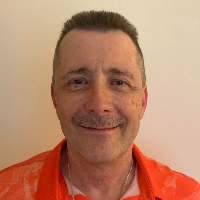
About Stephen
Stephen (Steve) Yates is a Licensed Marriage and Family Therapist with 35 years of practice. He helps people who are dealing with stress, anxiety, depression, grief, trauma, relationship and parenting concerns. Steve focuses on practical steps to help people feel and function better sooner.
Steve uses a mix of approaches tailored to each person. He draws on Acceptance and Commitment Therapy and Cognitive Behavioral Therapy to address anxious thoughts and unhelpful behavior.
Background and approach
He also uses Emotionally-Focused and client-centered work to help people improve communication and connection in relationships. His background includes work across inpatient and outpatient settings and a wide range of clinical situations. That experience shapes a flexible style that adapts to each person's needs.
He aims to offer ideas and methods that may differ from what someone has already tried. Sessions focus on clear goals and everyday skills. Steve helps people notice patterns, try new behaviors, and build routines that reduce stress.
He also supports people working through life changes, grief, and issues around intimacy or family roles. People come to him for help with mood disorders, obsessive or compulsive symptoms, substance concerns, and problems tied to isolation or purpose. He accepts clients from Idaho and from other places who prefer remote sessions.
Conversations are straightforward and grounded in practical steps.
How Steve adapts therapeutic approaches for online work
Acceptance and Commitment Therapy (ACT) helps people notice unhelpful thoughts and choose actions that match their values. It is useful for anxiety, stress, and adjusting to life changes. Cognitive Behavioral Therapy (CBT) focuses on identifying and changing thought and behavior patterns that keep problems going, which can help with anxiety, mood, and compulsive behaviors. Emotionally-Focused Therapy (EFT) aims to improve how people communicate and connect, which often helps with relationship and intimacy issues.Finding the right approach is collaborative. The therapist will talk with the client about goals and try methods that fit their needs and preferences. Over a few sessions he checks what helps and adjusts plans so the work stays practical and relevant.
Online therapy offers flexibility and access to regular sessions regardless of location. Video calls let people work face to face from different places, while phone sessions can be easier when bandwidth is limited. Live chat or text-based messaging are useful for shorter check-ins, skill practice, or when writing out thoughts feels easier. These options make it simpler to fit therapy into busy schedules and to keep steady progress over time.
Questions people ask
What kinds of concerns does Stephen address?
What is his approach in sessions?
How long has he been working in this field?
Where is he based and what is his credential?
Can I work with him if I live outside the United States?
What session formats are offered?
How much do sessions cost?
How do I begin working with him?
What this therapist works with
Most often
- Stress, Anxiety
- Relationship issues
- Family conflicts
Also listed
- Anger management
- Autism and Asperger Syndrome
- Bipolar disorder
- Codependency
- Commitment issues
- Communication problems
- Coping with life changes
- Depression
- Divorce and separation
- Drug and alcohol addiction
- Emptiness
- Family problems
- First responder issues
- Forgiveness
- Grief
- Guilt and shame
- Intimacy-related issues
- Isolation / loneliness
- Life purpose
- Mood disorders
- Obsessions, compulsions, and OCD
- Panic disorder and panic attacks
- Parenting issues
- Phobias
- Seasonal Affective Disorder (SAD)
- Self esteem
- Self-harm
- Self-love
- Social anxiety and phobia
- Trauma and abuse
- Workplace issues
- Young adult issues
Therapeutic approaches
- Experience
- 35 years
- Licensed
- Idaho
- Languages
- English
We will earn a commission if you sign up through our link, at no cost to you.