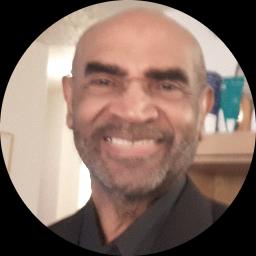
About Stalburn
Stalburn VanSluytman is a licensed clinical social worker with four decades of experience helping people manage stress, anxiety, addiction, and mood concerns. He uses straightforward talk, practical strategies, and a long history of hands-on work to help people feel steadier. He practices from Florida and conducts sessions in English.
He began studying social behavior at Howard University in the late 1960s and then moved into case management and substance use counseling in New York City.
Background and approach
That early work led him to a clinical social work degree from Adelphi University and a career focused on both individual and group care. He later relocated to Florida in the 1990s and worked across agencies and independent practice settings.
His experience includes work as a mental health therapist for the Florida Department of Corrections, where he spent his final ten years before retiring in 2014. Since retirement he has contributed part time to a community mental health center and volunteered with Big Brothers Big Sisters, a local hospice, and the American Cancer Society.
Many of those volunteer roles paused during the COVID pandemic. In sessions he draws on psychodynamic ideas that look at life patterns and relationships. He also uses cognitive behavioral techniques to help people change unhelpful thoughts and behaviors and motivational interviewing to support readiness for change.
These approaches are used to address anxiety, panic, grief, addiction, anger, and relationship stresses among other concerns. People seeking therapy can expect a collaborative, practical process. Stalburn aims to help clients recognize patterns, try new ways of coping, and make gradual change over time.
Therapeutic approaches adapted for online care
Stalburn commonly uses cognitive behavioral techniques to identify unhelpful thoughts and test new behaviors. CBT is hands-on and works well for anxiety, panic, mood shifts, and managing stress. Mindfulness therapy is also part of his approach and focuses on simple attention and breathing practices to reduce reactivity and improve emotional awareness.Choosing the right approach is part of the work together. He will talk with clients about goals and preferences and test methods that fit each person. That collaborative process helps tailor sessions so the techniques feel useful and relevant to daily life.
Online sessions can take place by video calls, phone, live chat, or text-based messaging to match different needs. Video is useful for in-depth conversation and skill practice, phone works well when bandwidth is limited, live chat can be a shorter check-in, and text messaging lets people communicate between sessions. These options make therapy more flexible for busy schedules and varying comfort levels.
Questions people ask
What kinds of concerns does this therapist address?
What is his therapy style like?
How long has he been practicing?
What credentials and location are listed?
In which languages are sessions offered?
What session formats does he offer?
How are fees and payment handled?
How do I begin working with him?
What this therapist works with
Most often
- Stress, Anxiety
- Addictions
- Anger management
Also listed
- ADHD
- Aging and geriatric issues
- Bipolar disorder
- Cancer
- Caregiver issues and stress
- Codependency
- Coping with life changes
- Depression
- Divorce and separation
- Drug and alcohol addiction
- Eating and food-related issues
- Eating disorders
- Family conflicts
- Fatherhood issues
- Grief
- Guilt and shame
- Isolation / loneliness
- LGBT
- Men's issues
- Midlife crisis
- Mood disorders
- Multicultural concerns
- Panic disorder and panic attacks
- Parenting issues
- Phobias
- Post-traumatic stress
- Prejudice and discrimination
- Relationship issues
- Self esteem
- Social anxiety and phobia
- Trauma and abuse
Therapeutic approaches
- Experience
- 40 years
- Licensed
- Florida
- Languages
- English
We will earn a commission if you sign up through our link, at no cost to you.