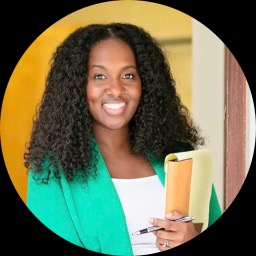
About Shonta
Shonta Harper is a licensed professional counselor who helps people facing anxiety and life transitions. She works to strengthen self-understanding and improve relationships so daily life feels more manageable. Her style is direct and compassionate, aimed at practical change rather than jargon.
Shonta draws on a trauma-informed and culturally responsive outlook to guide sessions. She listens for patterns in communication and behavior, then helps clients try simple, concrete steps to shift those patterns.
Background and approach
Sessions often focus on rebuilding confidence, reducing social anxiety, and addressing stress that affects sleep, work, or parenting. Her practice addresses a wide range of concerns including relationship and intimacy issues, grief, addiction, anger, depression, and career stress. She also supports people working through identity questions such as gender dysphoria and LGBT-related concerns.
Shonta uses approaches that emphasize emotional safety and steady skill-building. With ten years of experience and credentials as an LPC (Licensed Professional Counselor) and LCMHC (Licensed Clinical Mental Health Counselor), she brings clinical background and real-world perspective to conversations. Her work often centers on helping people translate insight into everyday routines that feel doable.
Clients can expect a collaborative tone in sessions. Shonta helps set goals, experiments with practical strategies, and adjusts the plan as needs change. The focus is on realistic steps that reduce distress and increase connection to what matters most.
Evidence-based approaches and flexible online care
Shonta uses evidence-based therapeutic techniques that focus on practical skills and emotional processing. One approach emphasizes building coping skills for anxiety and stress through repeated practice of small, doable strategies that help with sleep, work, and daily routines. Another approach centers on trauma-informed work that helps people name difficult experiences, understand their impact, and develop steady ways to manage strong emotions. Finding the best approach is a collaborative process. The therapist discusses goals and preferences, tries techniques together, and adjusts methods based on what helps most. Clients are invited to give feedback so the plan stays useful and realistic. Online formats include video calls, phone sessions, live chat, and text-based messaging. Video sessions allow face-to-face conversation for deeper discussion and assigned exercises. Phone sessions can fit a busy day or reduce bandwidth needs. Live chat and text messaging are useful for shorter check-ins, coaching-style support, or when a quick coping plan is needed between appointments. These options make it easier to keep therapy consistent around work, caregiving, and travel.Questions people ask
What concerns does Shonta help with?
What is her therapeutic style like?
How much experience does she have?
What credentials and location are listed?
Which languages and international options are available?
What session formats are offered?
How does cost and billing work?
How do I begin working with her?
What this therapist works with
Most often
- Relationship issues
- Family conflicts
- Intimacy-related issues
Also listed
- Addictions
- ADHD
- Aging and geriatric issues
- Anger management
- Career difficulties
- Caregiver issues and stress
- Coaching
- Codependency
- Communication problems
- Compassion fatigue
- Control issues
- Coping with life changes
- Depression
- Emptiness
- Family problems
- Forgiveness
- Gender dysphoria
- Grief
- Infidelity
- Jealousy
- LGBT
- Life purpose
- Parenting issues
- Self esteem
- Self-love
- Sleeping disorders
- Social anxiety and phobia
- Stress, Anxiety
- Trauma and abuse
- Veteran and Armed Forces Issues
- Women's issues
- Experience
- 10 years
- Licensed
- Georgia, Utah
- Languages
- English
We will earn a commission if you sign up through our link, at no cost to you.