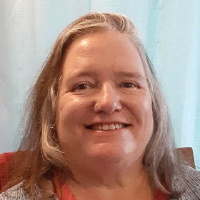
About Sharon
Sharon Hollandsworth is a Licensed Clinical Social Worker (LCSW) practicing in North Carolina. She brings four decades of experience helping people who are struggling with stress, anxiety, depression, trauma, and related concerns. Sharon creates a steady, supportive space and starts by listening to what you are living with now.
She begins work by assessing what feels difficult and what you want from counseling. That assessment guides how sessions proceed and is revisited as needs shift.
Background and approach
Sharon uses a client-centered stance combined with practical problem solving to make therapy feel useful and focused. Sharon introduces skills training to help people manage strong feelings and daily challenges. These skills include relaxation techniques, ways to improve focus, and steps for healthier interactions with others.
She also works on problem solving so choices and plans feel more manageable. Sessions may include learning coping tools drawn from cognitive and behavioral approaches as well as dialectical behavior ideas for emotion regulation. She also draws on emotionally-focused and existential perspectives to help people name what matters and face life transitions.
Her overall aim is to help people reduce distress and build more steady functioning. Sharon has worked in community mental health and health centers across the Raleigh-Durham area. She combines long experience with a calm, practical approach for people ready to explore change and build skills over time.
How Sharon’s approaches translate to online care
Sharon uses client-centered therapy to create a listening, nonjudgmental space where the person sets goals and the pace of change. This approach helps people feel heard and guides what issues to focus on first.She also draws on cognitive behavioral therapy (CBT), which breaks problems into thoughts, feelings, and actions and teaches concrete skills to reduce anxiety and depressive symptoms. CBT is useful for managing worry, improving sleep, and changing unhelpful habits.
Dialectical behavior therapy (DBT) skills are included when emotion regulation and intense reactions are a concern; these techniques teach distress tolerance, grounding, and interpersonal effectiveness in everyday moments.
Choosing the best approach is a collaborative process. The therapist and client will talk through goals, preferences, and what has or hasn’t helped before, then try methods that fit the person’s needs. Adjustments are made as progress is tracked.
Online sessions are offered by video calls, phone sessions, live chat, and text-based messaging to make therapy more flexible. Video lets people work face to face from different locations, phone works when lower bandwidth or a shorter check-in is needed, and chat or messaging can fit into a busy day or provide written reminders of skills. These options help people access consistent care while fitting therapy into real life.
Questions people ask
What concerns does Sharon commonly address?
How would you describe her therapy style?
What is her professional background?
What credentials and location are listed?
Which languages are offered for sessions?
What session formats are available?
How does cost and billing work?
What are the first steps to begin therapy?
What this therapist works with
Most often
- Stress, Anxiety
- Trauma and abuse
- Anger management
Also listed
- Addictions
- Bipolar disorder
- Career difficulties
- Coping with life changes
- Depression
- Eating disorders
- Family conflicts
- Grief
- Intimacy-related issues
- LGBT
- Parenting issues
- Relationship issues
- Self esteem
- Sleeping disorders
Therapeutic approaches
- Experience
- 40 years
- Licensed
- North Carolina
- Languages
- English
We will earn a commission if you sign up through our link, at no cost to you.