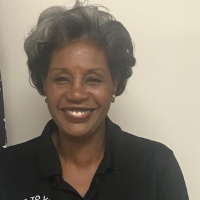
About Sharon
Sharon Bailey is a Licensed Clinical Social Worker (LCSW) with 30 years of experience. She brings a practical, down-to-earth style and focuses on helping people manage anxiety, stress, addictions, grief, depression, and life changes. She draws on client-centered work to learn what matters most to each person.
That helps shape the goals and the steps they take together. Sharon also uses solution-focused tools to set clear, doable goals and cognitive behavioral techniques to identify unhelpful thinking patterns that feed anxiety and depression.
Background and approach
Her background includes military service as a Combat Medic and time in the Air Force Reserve, followed by a career as an Air Force social worker. That experience informs work with first responders, veterans, and people who have faced trauma or high-stress jobs. She has also worked in schools, academic settings, and life coaching roles.
In sessions she keeps things collaborative and straightforward. Clients can expect discussion, practical exercises, and occasional homework to practice skills between meetings. Sharon emphasizes steady progress and real-world strategies rather than long lectures.
Sharon practices from Texas and speaks English. She offers several ways to connect, including video calls, phone sessions, live chat, and text-based messaging, and she accepts international clients.
How therapeutic approaches translate to online sessions
Client-Centered Therapy focuses on listening to each person's priorities and pace. The therapist follows what matters most to the client, helps set goals, and adjusts tools to fit those goals. This approach helps with anxiety, grief, life transitions, and relationship concerns because it starts from the client's own experience.Cognitive Behavioral Therapy, or CBT, looks at how thoughts, feelings, and behaviors interact. It teaches practical skills to challenge unhelpful thoughts and build new habits. CBT is often used for anxiety, depression, sleeping problems, and coping with stress because it gives clear steps to practice between sessions.
Finding the right approach is a joint process. The therapist will talk with the client about goals, try techniques, and tweak the plan as needed. That makes the work adaptable, whether the focus is short-term problem solving or longer-term meaning and values work.
Online formats include video calls, phone sessions, live chat, and text-based messaging. Video offers face-to-face interaction for teaching skills and doing exercises. Phone can be easier when bandwidth is limited or for a quick check-in. Live chat and text messaging are useful for brief updates, midweek support, or people who prefer writing over speaking. These options make it easier to fit therapy into work, family, or busy schedules while keeping the focus on progress and practical tools.
Questions people ask
What kinds of concerns does Sharon focus on?
What is Sharon's therapeutic style?
How much clinical experience does she have?
What are her credentials and where is she based?
Which languages are supported for sessions?
What session formats are available?
How does pricing and payment work?
How do I begin working with Sharon?
What this therapist works with
Most often
- Stress, Anxiety
- Addictions
- Relationship issues
Also listed
- ADHD
- Anger management
- Bipolar disorder
- Career difficulties
- Coaching
- Compassion fatigue
- Coping with life changes
- Depression
- Eating disorders
- Family conflicts
- First responder issues
- Grief
- Intimacy-related issues
- LGBT
- Parenting issues
- Self esteem
- Sleeping disorders
- Trauma and abuse
- Veteran and Armed Forces Issues
Therapeutic approaches
- Experience
- 30 years
- Licensed
- Texas
- Languages
- English
We will earn a commission if you sign up through our link, at no cost to you.