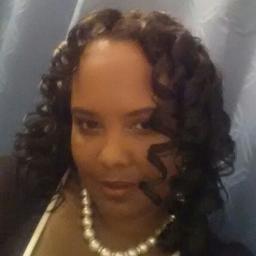
About Sharifa
Dr. Sharifa Armorer focuses on stress and anxiety along with related concerns such as relationship strain, sleep problems, grief, and low self-esteem. She uses straightforward, goal-oriented work to help people who feel stuck or overwhelmed.
Sessions aim to identify practical steps and small changes that make daily life easier. Dr. Armorer is a Licensed Clinical Social Worker - Registered (LCSW-R) based in New York and has 26 years of experience.
Background and approach
She blends clinical approaches with broader wellbeing practices. That means conversations about feelings are often paired with simple skills to manage symptoms between sessions. Her approach is direct and collaborative.
She helps clients set clear goals and tracks progress over time. The work can include exploring past events, developing new coping strategies, and building routines that improve sleep, mood, and relationships. Dr.
Armorer draws on Emotionally-Focused Therapy, Mindfulness Therapy, Motivational Interviewing, Solution-Focused Therapy, and Trauma-Focused Therapy. Those methods are used to address things like trauma, addictions, parenting strain, workplace stress, and questions about life purpose. People who choose her typically want focused sessions that move toward specific outcomes.
She also incorporates broader healing practices into care when clients are interested. The emphasis remains on practical steps, steady progress, and partnering with each person to reach their goals.
Approaches that translate well to online work
Emotionally-Focused Therapy (EFT) helps people notice and name strong emotions and then use that insight to change relationship patterns or how they respond to stress. It is useful when anxiety or connection problems keep showing up in day-to-day life. Mindfulness Therapy teaches simple awareness and attention practices to reduce reactivity and improve sleep, focus, and overall calm; these exercises are easy to practice between sessions and fit well into remote care. Motivational Interviewing focuses on clarifying personal goals and boosting motivation for change, which is helpful for addictions, career shifts, or making healthier choices.Finding the right approach is part of the work together. The therapist will talk through goals, try methods, and adjust as needs and preferences become clearer. That collaborative process helps shape sessions so they feel useful and relevant to each person.
Online sessions are offered by video calls, phone sessions, live chat, or text-based messaging to increase flexibility. Video calls let people have face-to-face conversations when that helps. Phone sessions use less bandwidth and can fit a break at work. Live chat and messaging make it possible to check in between meetings or to use shorter, focused exchanges. These options aim to make consistent care easier to fit into busy lives.
Questions people ask
What kinds of concerns does she help with?
What is her general therapy style?
How much clinical experience does she have?
Where is she licensed and based?
Which languages are supported for sessions?
Can people outside the United States work with her?
What session formats are available?
How are costs and scheduling handled?
What this therapist works with
Most often
- Stress, Anxiety
- Relationship issues
- Family conflicts
Also listed
- Addictions
- Anger management
- Career difficulties
- Depression
- Emptiness
- Family problems
- Forgiveness
- Grief
- Impulsivity
- Intimacy-related issues
- LGBT
- Life purpose
- Parenting issues
- Self esteem
- Self-love
- Sleeping disorders
- Trauma and abuse
- Workplace issues
- Young adult issues
Therapeutic approaches
- Experience
- 26 years
- Licensed
- New York
- Languages
- English
We will earn a commission if you sign up through our link, at no cost to you.