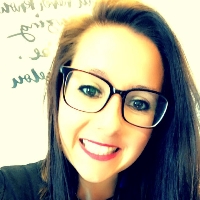
About Sarah
Sarah Goyer is a licensed mental health counselor who focuses on stress, anxiety, addiction, trauma, depression, and related concerns. She has about 10 years of experience and brings a calm, practical approach to sessions. Sarah aims to meet people where they are and help them take clear steps toward feeling better.
She favors straightforward, goal-focused work. Sessions include teaching skills, practicing new ways to cope, and checking progress together. Sarah uses tools from client-centered therapy, cognitive behavioral therapy, dialectical behavior therapy, mindfulness, and motivational interviewing to tailor the work to each person.
Background and approach
Her background includes a master's degree from Hofstra University in Rehabilitation Counseling in Mental Health and clinical work in outpatient settings. That experience shaped how she blends individual and skill-based approaches to address emotions, behavior, and daily challenges. She also brings experience with trauma-informed care and helping people rebuild self-esteem after difficult experiences.
In practical terms she helps people identify specific goals, build coping plans, and practice new skills between sessions. She emphasizes education about why certain patterns happen and how to change them. Sarah encourages collaboration so clients set the pace and priorities.
People who contact her can expect a mix of supportive listening and hands-on strategies. The focus is on improving day-to-day functioning, reducing distress, and strengthening the ability to handle life changes and stressful events.
How therapeutic approaches translate to online care
Client-centered therapy focuses on listening and following the person's lead. It helps when someone needs warmth, validation, and a space to process feelings while deciding their own goals. Cognitive Behavioral Therapy, or CBT, looks at how thoughts, feelings, and actions connect and teaches practical skills to change unhelpful patterns. It is often used for anxiety, panic, and mood concerns.Finding the right approach is a collaborative process. Sarah will work with each person to decide which methods fit best based on needs, goals, and preferences. That may mean blending client-centered listening with CBT or DBT skills and adjusting as progress is made.
Online formats make regular work easier to fit into busy lives. Video calls allow face-to-face conversation and skill demonstrations. Phone sessions can be a good option when bandwidth is limited or video isn’t practical. Live chat and text-based messaging are useful for brief check-ins, homework support, or when someone prefers shorter written exchanges. These options aim to increase flexibility and make it simpler to keep therapy consistent while trying different approaches.
Questions people ask
What concerns does she help with?
What is her general therapy style?
How long has she practiced?
What credentials and location are listed?
Which languages are offered and can international clients join?
What session formats does she use?
How are costs handled?
How do I begin working with her?
What this therapist works with
Also listed
- Abandonment
- Anger management
- Bipolar disorder
- Body image
- Career difficulties
- Co-morbidity
- Codependency
- Communication problems
- Control issues
- Coping with life changes
- Depression
- Drug and alcohol addiction
- Family conflicts
- Family problems
- Grief
- Impulsivity
- Isolation / loneliness
- LGBT
- Mood disorders
- Panic disorder and panic attacks
- Parenting issues
- Personality disorders
- Relationship issues
- Self esteem
- Self-harm
- Sexual assault and abuse
- Young adult issues
Therapeutic approaches
- Experience
- 10 years
- Licensed
- New York, Connecticut
- Languages
- English
We will earn a commission if you sign up through our link, at no cost to you.