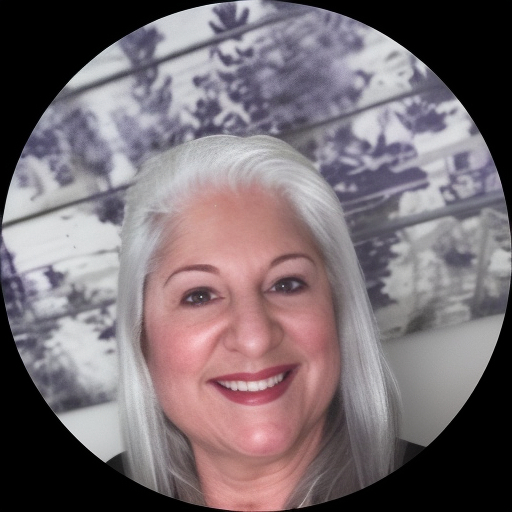
About Sarah
Sarah Bachmaier is a Florida-based licensed clinical social worker (LCSW) with nine years of practice helping people manage stress, anxiety, grief, and depression. She welcomes honest conversation and aims to make the first step feel less daunting. Short conversations can lead to clearer next steps and practical changes.
She centers work on the client’s own experience and strengths. Sessions focus on concrete skills and reflection rather than labels. Sarah helps people talk through painful memories, reduce overwhelming worry, and cope with loss in simpler, doable steps.
Background and approach
Her background includes trauma work and approaches that address difficult memories and motivation for change. She uses techniques that can help with unwanted memories and with building momentum toward healthier choices. Those tools are balanced with collaborative talk that helps clarify goals and priorities.
Sarah commonly supports people dealing with abandonment, body image concerns, caregiver stress, chronic illness or pain, codependency, substance issues, isolation, and life transitions. She also helps with communication problems, control issues, guilt, shame, and questions about life purpose or midlife shifts. Sessions are available by video, phone, live chat, or text-based messaging to fit different schedules and needs.
Getting started involves a short matching questionnaire and scheduling a time that works. Sarah aims for a practical, respectful approach so people leave feeling a little more able to manage what’s next.
EMDR and Motivational Interviewing for online care
EMDR, or Eye Movement Desensitization and Reprocessing, is a method that helps people process and reduce the intensity of painful memories. In a session, the therapist guides attention while the person recalls distressing events, which can ease the emotional charge those memories carry.Motivational Interviewing focuses on helping people find their own reasons to change and build motivation. It uses open questions and reflective listening to clarify values and next steps, which can be useful for addiction, procrastination, or any behavior someone wants to shift.
Choosing the right approach happens together. The therapist will listen to your concerns, discuss options, and try methods that fit your goals and comfort level. That collaboration helps shape a plan that can shift over time as needs change.
Online formats offer practical flexibility. Video calls let you work face to face from different locations. Phone sessions can be a lower-bandwidth option and easier to fit into a break. Live chat and text-based messaging allow brief check-ins, quick skill practice, or ongoing encouragement between longer sessions. These options make it easier to keep therapy consistent while fitting it into real life.
Questions people ask
What concerns does she commonly address?
How would you describe her therapeutic style?
What is her professional background?
What credentials and location are listed?
Which languages and international options are available?
What session formats does she use?
How does pricing work?
How do I begin working with her?
What this therapist works with
Most often
Also listed
- Abandonment
- Body image
- Caregiver issues and stress
- Chronic pain, illness, and disability
- Codependency
- Communication problems
- Control issues
- Depression
- Domestic violence
- Drug and alcohol addiction
- Emptiness
- Guilt and shame
- Infidelity
- Isolation / loneliness
- Life purpose
- Midlife crisis
- Multicultural concerns
- Panic disorder and panic attacks
- Post-traumatic stress
- Pregnancy and childbirth
- Prejudice and discrimination
- Self esteem
- Self-love
- Sexual assault and abuse
- Sexuality
- Social anxiety and phobia
- Women's issues
- Workplace issues
Therapeutic approaches
- Experience
- 9 years
- Licensed
- Florida
- Languages
- English
We will earn a commission if you sign up through our link, at no cost to you.