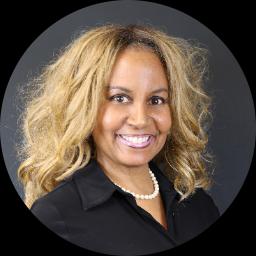
About Sandra
Dr. Sandra Webster-Brown is a licensed professional counselor who helps people facing stress, anxiety, addiction, relationship strain, grief, and trauma. She speaks plainly and aims to make therapy approachable for someone who may be nervous about starting.
Her work emphasizes practical steps and emotional understanding so people can move forward in daily life. She holds a PhD from St. Mary’s University in San Antonio and is licensed as an LPC in Texas and Colorado.
Background and approach
Over seven years she has worked with people dealing with depression, intimacy issues, anger, self-esteem concerns, and career stress. Her experience also includes helping clients navigating sexual process addictions, codependency, infidelity, and prejudice or discrimination. Her style is collaborative and client-centered.
She treats each person as the expert on their life and offers guidance to find stability and a sense of progress. Sessions often include clear tools for coping and communication, alongside discussions about values and purpose. Dr.
Webster-Brown integrates cognitive behavioral techniques and mindfulness to address unhelpful thinking and reduce anxiety symptoms. She also uses existential ideas to help people clarify meaning and motivational interviewing to support change when addiction or ambivalence are present. Therapy can include practical exercises, gentle reflection, and setting small goals to build momentum.
People work at their own pace, with the therapist checking in about what feels helpful and adjusting the approach as needed.
How these approaches work in online sessions
Client-Centered Therapy emphasizes listening and collaboration so the conversation follows the client’s pace and priorities. It helps people feel heard and supported while they figure out next steps for anxiety, relationships, or life changes.Cognitive Behavioral Therapy focuses on the link between thoughts, feelings, and actions and teaches specific skills to challenge unhelpful thinking. It is often used to reduce anxiety symptoms and improve day-to-day coping.
Mindfulness Therapy trains attention and present-moment awareness to reduce reactivity and improve emotional regulation. This can be useful for stress, anxiety, and managing cravings related to addictions.
Finding the right approach is part of the work. The therapist will talk with clients about their goals, preferences, and what feels most helpful, and then tailor methods together in a collaborative way.
Online therapy lets people fit sessions into busy lives through video calls, phone sessions, live chat, or text-based messaging. Video is useful for a full face-to-face conversation, phone works well when bandwidth is limited, live chat is handy for quick check-ins, and messaging allows shorter, ongoing support between sessions. These options increase flexibility and make it easier to keep progressing without changing daily routines.
Questions people ask
What concerns does she help with?
How would you describe her therapy style?
What is her background and experience?
Where is she licensed and based?
Which languages are supported and can international clients join?
What session formats are available?
How are sessions priced?
How do I start working with her?
What this therapist works with
Most often
- Stress, Anxiety
- Addictions
- Relationship issues
Also listed
- Anger management
- Career difficulties
- Codependency
- Commitment issues
- Communication problems
- Control issues
- Coping with life changes
- Depression
- Grief
- Infidelity
- Intimacy-related issues
- LGBT
- Personality disorders
- Prejudice and discrimination
- Process addiction (porn, exercise, gambling)
- Self esteem
- Sex addiction
- Trauma and abuse
Therapeutic approaches
- Experience
- 7 years
- Licensed
- Texas, Colorado
- Languages
- English
We will earn a commission if you sign up through our link, at no cost to you.