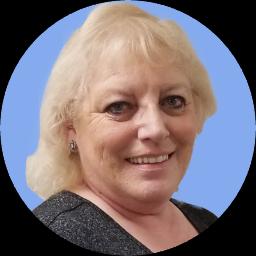
About Sally
Sally Bohanon-Davis is a Licensed Professional Counselor who helps people manage stress, anxiety, trauma, depression, and problems with addiction. She works in Texas and brings six years of clinical experience to each session. Sally speaks English and focuses on practical steps people can use in daily life.
She uses a few different approaches to match what each person needs. Sessions may focus on changing unhelpful thoughts, building mindful habits, or talking through past experiences to find new meaning.
Background and approach
Sally aims to make each plan fit the person's situation rather than following one fixed method. Sally keeps conversations respectful and straightforward. She listens first, then suggests small, doable steps that a person can try between sessions.
That can include short exercises, shifts in routine, or targeted skills to reduce immediate stress. Her background includes training as a Licensed Professional Counselor - LPC and as a Licensed Clinical Professional Counselor - LCPC, with practice in Texas. Over six years she has worked with a range of concerns related to mood, trauma, and life transitions.
People who reach out can expect a collaborative tone. The focus is on what feels manageable and meaningful for each person. Sally emphasizes steady progress through clear goals and regular check-ins.
Therapeutic approaches and online care
Client-Centered Therapy focuses on listening and responding to what matters most to the person. The therapist follows the person's lead, reflects what they say, and helps build plans that match their values and daily life. This approach can be useful for people feeling overwhelmed or unsure where to start.Cognitive Behavioral Therapy, or CBT, looks at how thoughts, feelings, and actions interact. Sessions often include simple exercises to test unhelpful thoughts and replace them with more helpful behaviors. CBT is frequently used for anxiety, stress, and mood concerns.
Finding the best approach is a team effort. The therapist will discuss goals, try methods that fit the person's needs, and adjust over time. That collaborative process helps identify which tools feel most useful and practical.
Online therapy offers several practical benefits. Video calls let people keep face-to-face interaction without travel, while phone sessions work well when bandwidth is limited or a shorter check-in is needed. Live chat and text-based messaging are helpful for quick check-ins, brief coaching, or when someone prefers writing to speaking. These formats make it easier to fit sessions into a busy life and to continue steady work on goals between meetings.
Questions people ask
What kinds of problems does she help with?
What is her general therapy style?
How much clinical experience does she have?
What credentials and location are listed?
Which languages are supported for sessions?
What session formats are available?
How is cost handled?
What should I do to begin therapy?
What this therapist works with
Also listed
- Abandonment
- Addictions
- Antisocial personality
- Codependency
- Control issues
- First responder issues
- Life purpose
- Mood disorders
- Personality disorders
- Post-traumatic stress
- Veteran and Armed Forces Issues
Therapeutic approaches
- Experience
- 6 years
- Licensed
- Texas, Idaho
- Languages
- English
We will earn a commission if you sign up through our link, at no cost to you.