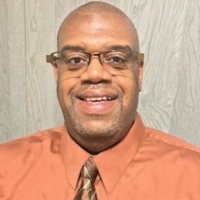
About Rodney
Rodney Carson is a Licensed Clinical Social Worker with two decades of experience supporting people facing stress, anxiety, addiction, and related concerns. He draws on his own long-term recovery to connect with people who are struggling and to offer steady encouragement during hard moments. He uses practical, down-to-earth conversation to help people sort through problems.
Sessions focus on clear steps and skills clients can practice between meetings. Rodney blends client-centered listening with cognitive-behavioral strategies and mindfulness tools to help reduce overwhelming reactions and improve daily routines.
Background and approach
Rodney has spent much of his career in outpatient drug, alcohol, and mental health settings. He has also helped design a therapeutic medication program used in outpatient clinics, hospitals, nursing schools, and correctional settings. Those experiences inform a straightforward approach that values real-world solutions.
He tends to work with people who want measurable change, whether that looks like fewer panic attacks, better sleep, managing cravings, or rebuilding self-esteem. Motivational interviewing and solution-focused techniques often guide short-term goals and next steps. Outside of clinical work, Rodney teaches adult education at his place of worship and is on a path toward ordination as a deacon.
He brings a hopeful, resilient outlook to sessions and encourages clients to tap into their strengths as they move forward.
How Rodney’s Approaches Work Online
Client-centered therapy focuses on understanding each person without judgment. The therapist listens closely and follows the client’s lead to identify what matters most, which helps people feel heard and move toward goals.Cognitive Behavioral Therapy, or CBT, looks at how thoughts, feelings, and actions connect. It teaches practical techniques to challenge unhelpful thinking and to build routines that reduce anxiety, manage cravings, and improve sleep.
Mindfulness therapy brings attention to the present moment with simple exercises. These practices can reduce reactivity to stress and help during panic attacks or periods of high anxiety.
Finding the right approach is a collaborative process. The therapist will talk with each person about their goals and preferences and try methods that fit those needs. Plans are adjusted over time based on what helps most.
Online sessions offer flexibility through video calls, phone sessions, live chat, and text messaging. Video is useful for in-depth conversation and skill practice. Phone sessions work well when bandwidth is limited or when being on camera is not needed. Live chat and text messaging make it easier to check in between appointments or to fit brief coaching into a busy day. These options help people keep therapy consistent while fitting it into their routines.
Questions people ask
What concerns does Rodney commonly address?
How would you describe his therapeutic style?
What is his professional background?
What are his credentials and where is he located?
Does he offer sessions in other languages or to international clients?
Which session formats are available?
How does payment and cost work?
What should I do to begin working together?
What this therapist works with
Most often
- Stress, Anxiety
- Addictions
- Anger management
Also listed
- ADHD
- Bipolar disorder
- Career difficulties
- Chronic pain, illness, and disability
- Coaching
- Compassion fatigue
- Coping with life changes
- Depression
- Eating disorders
- Family conflicts
- Forgiveness
- Grief
- Intimacy-related issues
- Isolation / loneliness
- LGBT
- Life purpose
- Panic disorder and panic attacks
- Parenting issues
- Relationship issues
- Self esteem
- Self-love
- Sleeping disorders
- Trauma and abuse
Therapeutic approaches
- Experience
- 20 years
- Licensed
- Pennsylvania
- Languages
- English
We will earn a commission if you sign up through our link, at no cost to you.