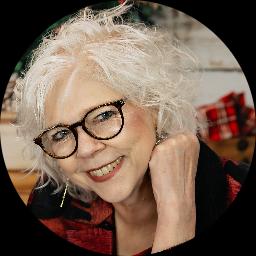
About Robin
Dr. Robin Andrus is a licensed mental health counselor with 31 years of experience. She creates a calm, nonjudgmental space where people can be heard and understood.
Her work centers on practical tools that help with day-to-day stress and anxiety. She emphasizes connection and clear steps toward feeling more capable and steady. Her background includes long experience helping people navigate grief, depression, trauma, and relationship challenges.
She draws on approaches that look at how early bonds shape current patterns, while also focusing on clear, doable strategies for coping.
Background and approach
This mix supports people who want both understanding and practical change. Sessions tend to be warm and relational, with time spent listening to a person’s story and then choosing strategies that fit their life. Clients often work on managing anxiety, building self-esteem, and handling life transitions.
The therapist also addresses concerns such as ADHD, parenting strain, caregiving stress, and intimacy-related worries. Dr. Andrus uses methods that help people notice patterns, try small experiments, and strengthen relationships where needed.
She helps people practice new skills and build healthier boundaries. Her aim is for clients to leave sessions with something concrete to try between meetings. People coming to therapy can expect a collaborative process.
Goals and pace are set together, and progress is tracked in practical ways. The emphasis is on gaining clarity, resilience, and confidence while moving toward a more balanced life.
Approaches that fit online care and anxious minds
Attachment-Based Therapy looks at how early connections influence current relationships and feeling safe with others. It can help when anxiety or trust issues trace back to attachment patterns. Cognitive Behavioral Therapy, or CBT, focuses on identifying unhelpful thinking and testing small behavior changes. It is useful for reducing worry and improving daily coping skills. Client-Centered Therapy centers the person’s experience and uses empathetic listening to help people find their own answers and build confidence.Finding the right approach is part of therapy. The therapist works collaboratively to match methods to each person’s needs, goals, and preferences. Together they decide whether to emphasize coping skills, relational work, or a blend of approaches based on what feels most helpful.
Online sessions offer flexibility for people with busy lives. Video calls let the therapist and client work face to face when that matters. Phone sessions use less bandwidth and can be easier during a quick break. Live chat and text-based messaging support shorter check-ins, written reflection, and ongoing contact between scheduled meetings. These options make it easier to fit therapy into work, parenting, or caregiving routines while keeping the focus on practical progress.
Questions people ask
What kinds of concerns does this therapist address?
How would you describe her approach and style?
What is her professional background?
Where is she licensed and based?
Which languages are supported for sessions?
What session formats are available online?
How does cost and billing work?
How do I begin working with this therapist?
What this therapist works with
Most often
- Stress, Anxiety
- Relationship issues
- Family conflicts
Also listed
- Abandonment
- ADHD
- Adoption and foster care
- Attachment issues
- Autism and Asperger Syndrome
- Caregiver issues and stress
- Codependency
- Communication problems
- Coping with life changes
- Depression
- Family problems
- Grief
- Guilt and shame
- Intimacy-related issues
- LGBT
- Men's issues
- Parenting issues
- Self esteem
- Trauma and abuse
- Young adult issues
Therapeutic approaches
- Experience
- 31 years
- Licensed
- Washington
- Languages
- English
We will earn a commission if you sign up through our link, at no cost to you.