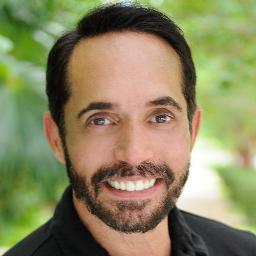
About Robert
Dr. Robert Rosenson is a Licensed Mental Health Counselor (LMHC) based in Florida with 23 years of experience. He draws on a long history in psychotherapy and rehabilitation counseling to help people manage stress and anxiety.
He aims to work alongside clients rather than tell them what to do. His style is collaborative and practical. He listens first, then helps people build strategies they can actually use.
Sessions focus on the problems you bring and the steps that feel realistic for your life.
Background and approach
Dr. Rosenson uses a mix of approaches including client-centered work, cognitive behavioral tools, and psychodynamic ideas. That combination helps address mood concerns, trauma, relationship challenges, and coping with life changes.
He also supports people facing issues related to ADHD, grief, intimacy, and sexual health concerns such as process addictions. He pays attention to patterns that repeat over time, and also to skills that help in the moment. Expect a balance of looking at past influences and learning new thoughts and behaviors.
The goal is to help you feel steadier and more able to handle whatever comes up. People who benefit tend to want a thoughtful, steady clinician who offers both practical steps and space to talk. Dr.
Rosenson encourages input from clients and works to create plans that fit each person’s reality.
Therapy approaches and how they work online
Client-centered therapy focuses on the relationship and the person’s own goals. The therapist listens carefully and helps people clarify their values and choices, which can be useful for anxiety, relationship questions, and self-esteem issues.Cognitive Behavioral Therapy, or CBT, teaches concrete skills to change unhelpful thoughts and behaviors. It is often used for anxiety, mood problems, and behavioral patterns like process addictions or compulsive habits.
Finding the right approach is part of the work. The therapist collaborates with each person to decide which methods fit their goals and daily life. That may mean combining ways of working and adjusting over time based on what helps most.
Online therapy offers flexible ways to connect. Video calls allow face-to-face conversation when a deeper discussion is needed. Phone sessions can fit into a short break or work better when bandwidth is limited. Live chat and text messaging are useful for brief check-ins, homework support, or people who prefer writing. These options make it easier to maintain continuity of care and to choose the format that best suits a person's schedule and comfort.
Questions people ask
What concerns does he commonly address?
How would you describe his therapy style?
What is his professional background?
What credentials and region are listed?
Which languages and international options are available?
What session formats does he offer?
How does pricing work for sessions?
What are the first steps to begin?
What this therapist works with
Most often
- Stress, Anxiety
- LGBT
- Relationship issues
Also listed
- Abandonment
- ADHD
- Anger management
- Career difficulties
- Co-morbidity
- Coaching
- Codependency
- Commitment issues
- Coping with life changes
- Depression
- Divorce and separation
- Family conflicts
- Forgiveness
- Grief
- HIV / AIDS
- Immigration issues
- Infidelity
- Intimacy-related issues
- Jealousy
- Men's issues
- Midlife crisis
- Mood disorders
- Parenting issues
- Polyamory / non-monogamous relationships
- Process addiction (porn, exercise, gambling)
- Self esteem
- Self-love
- Sexual assault and abuse
- Sexuality
- Trauma and abuse
Therapeutic approaches
- Experience
- 23 years
- Licensed
- Florida
- Languages
- English
We will earn a commission if you sign up through our link, at no cost to you.