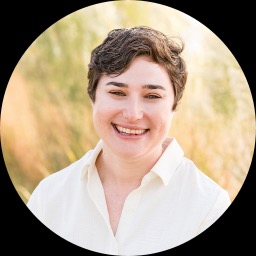
About Rebecca
Rebecca Scheer is a licensed clinical social worker who brings eight years of practice to each session. Rebecca focuses on stress and anxiety along with depression, relationship strain, and addiction concerns. She also supports people navigating LGBT matters, parenting challenges, and bipolar disorder.
Rebecca speaks English and practices in Texas as an LCSW. Rebecca believes people know their own story and arrives ready to listen. She helps clients identify strengths they already have.
Background and approach
Sessions focus on practical steps and small changes that can ease daily strain. Her approach is collaborative and straightforward. Rebecca works with people coping with trauma, anger, impulse struggles, and the aftermath of major life changes.
She also addresses issues such as abandonment, attachment difficulties, and feeling isolated or empty. In session Rebecca assists with communication problems, codependency patterns, and caregiver stress. She supports those dealing with gender dysphoria concerns and the challenges linked to autism or intellectual disability.
Work can include setting manageable goals and practicing new ways to respond to difficult emotions. Rebecca uses evidence-based therapeutic techniques to guide sessions. She encourages gentle progress and regular review of what’s helping.
The aim is to make therapy useful in daily life and to build tools a person can use beyond sessions.
Approaches for Anxiety and Practical Change Online
Rebecca uses evidence-based therapeutic techniques that focus on practical change and coping. One common approach emphasizes identifying unhelpful thinking and testing new, more helpful thoughts to reduce anxious feelings and improve mood. This method is useful for stress, anxiety, and depression because it gives specific skills to try between sessions.Another approach centers on learning new behavior patterns through small experiments and repeated practice. This can help with impulse control, anger, addictions, and building routines after life changes. A third technique involves strengthening relationships and attachment patterns by improving communication and addressing codependency or abandonment worries.
Choosing the right combination of methods is part of the process. Rebecca works collaboratively with each person to decide which approaches fit their goals and daily life. She starts with clear, simple goals and adjusts plans based on what is helpful.
Online therapy options include video calls, phone sessions, live chat, and text-based messaging. Video lets people meet face to face, phone is useful when bandwidth is limited, live chat allows shorter check-ins, and messaging supports ongoing reflection between sessions. These formats offer flexibility to fit work, family, and busy schedules while keeping therapy practical and accessible.
Questions people ask
What concerns does Rebecca commonly address?
What is her therapeutic style like?
How much clinical experience does she have?
What credentials and location are listed?
Which languages and international options are available?
What session formats are offered?
How does cost and billing work?
How do I begin working with her?
What this therapist works with
Most often
- Stress, Anxiety
- LGBT
- Parenting issues
Also listed
- Abandonment
- Addictions
- ADHD
- Anger management
- Attachment issues
- Autism and Asperger Syndrome
- Bipolar disorder
- Career difficulties
- Caregiver issues and stress
- Codependency
- Communication problems
- Coping with life changes
- Depression
- Emptiness
- Forgiveness
- Gender dysphoria
- Guilt and shame
- Impulsivity
- Intellectual disability
- Isolation / loneliness
- Life purpose
- Midlife crisis
- Mood disorders
- Panic disorder and panic attacks
- Personality disorders
- Relationship issues
- Self-love
- Sexuality
- Social anxiety and phobia
- Trauma and abuse
- Young adult issues
- Experience
- 8 years
- Licensed
- Texas
- Languages
- English
We will earn a commission if you sign up through our link, at no cost to you.