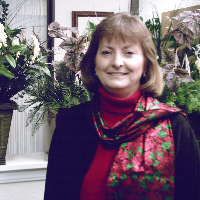
About Rebecca
Dr. Rebecca Thompson is a California licensed psychologist with 25 years of clinical experience. She draws on her neuropsychology background to make sense of how thoughts, feelings, and behavior connect.
Her work is grounded in clear explanations and practical steps that parents and individuals can follow. She helps people who are coping with stress, anxiety, grief, depression, and major life changes. She also supports those dealing with trauma and abuse, panic attacks, sleep problems, anger, and compassion fatigue.
Background and approach
Her practice includes attention to ADHD, chronic pain and illness, and recovery after traumatic brain injury. In sessions she uses straightforward methods to identify unhelpful thoughts and test new ways of responding. She blends cognitive behavioral techniques with trauma-focused work when that fits the concern.
The goal is to build skills that reduce distress and improve daily functioning. Dr. Thompson emphasizes collaboration.
She listens closely, offers options, and helps people set achievable steps toward their goals. She aims to be practical and approachable, guiding clients to try new behaviors and notice what changes. Many people seek her help for career stress, relationship strain, social anxiety, or struggles with self-esteem and life purpose.
She also works with first responder issues, post-traumatic stress, and young adult challenges. Her style is calm, direct, and experience-informed, focused on helping people regain steadiness in daily life.
How her approaches work in online therapy
Dr. Thompson commonly uses cognitive behavioral therapy, which focuses on identifying unhelpful thoughts and testing new behaviors to reduce anxiety and improve mood. CBT is often used for panic attacks, social anxiety, sleep problems, and stress-related issues.She also applies trauma-focused therapy when past events affect current functioning. That work looks at how traumatic memories and reactions show up now and teaches skills for managing triggers and reclaiming daily routines.
Choosing the right approach is collaborative. She will discuss goals, listen to your history, and suggest options. Together you decide whether to focus on skills training, trauma processing, or a blend of methods that match your needs and pace.
Online formats include video calls, phone sessions, live chat, and text messaging. Video is useful for full conversations and skill demonstrations. Phone sessions work well when bandwidth is limited or a simpler check-in is needed. Live chat and text let clients send shorter messages between sessions or use a less formal check-in during a busy day. These options offer flexibility so therapy can fit around school, work, or caregiving duties.
Questions people ask
What kinds of problems does she help with?
What is her therapeutic approach like?
How much clinical experience does she have?
What are her credentials and where is she based?
Can I work with her if I live outside the U.S.?
What session formats are available?
How are fees handled?
How do I begin working with her?
What this therapist works with
Also listed
- ADHD
- Anger management
- Autism and Asperger Syndrome
- Career difficulties
- Chronic pain, illness, and disability
- Co-morbidity
- Coaching
- Communication problems
- Compassion fatigue
- Coping with natural or human-caused disaster
- Depression
- First responder issues
- Grief
- Isolation / loneliness
- Life purpose
- Panic disorder and panic attacks
- Post-traumatic stress
- Relationship issues
- Self esteem
- Self-love
- Sleeping disorders
- Social anxiety and phobia
- Traumatic brain injury
- Women's issues
- Young adult issues
Therapeutic approaches
- Experience
- 25 years
- Licensed
- California
- Languages
- English
We will earn a commission if you sign up through our link, at no cost to you.