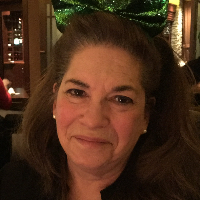
About Randye
Randye Brittain is a Maryland-based therapist who blends client-centered care with practical tools. She brings 20 years of experience and works with people facing anxiety, stress, depression, relationship strain, grief, and trauma. Randye speaks plainly and focuses on immediate, usable steps people can try between sessions.
Her style is warm and interactive. She listens first, then helps people set short-term goals. Sessions often include problem-solving, thought work, and ways to manage strong feelings.
Background and approach
She also uses talk-based exploration to uncover patterns from the past. Randye combines Cognitive Behavioral Therapy with psychodynamic ideas and solution-focused techniques. That mix lets her address current symptoms and the life patterns that keep them coming back.
She may suggest simple relaxation or grounding practices when they fit the situation. She has particular experience with parenting challenges, blended family issues, adoption and foster care concerns, and grief after loss. She also helps with sleep problems, social anxiety, phobias, career questions, and compassion fatigue.
People struggling with isolation, life transitions, or finding purpose often seek her perspective. Randye uses straightforward language and avoids clinical labels in session. She works with each person to build a plan that matches their goals and daily life.
Her aim is to make therapy practical, understandable, and focused on steps people can take now.
How Randye’s approaches translate to online therapy
Randye commonly uses Cognitive Behavioral Therapy and Client-Centered Therapy in her online work. CBT focuses on identifying unhelpful thoughts and testing new behaviors to reduce anxiety and improve sleep. Client-Centered Therapy emphasizes listening, empathy, and working at the client’s pace to build trust and clarify goals.Choosing an approach is a collaborative process. The therapist will talk with the person about their goals, needs, and preferences and then recommend ways to proceed. That plan can change over time as short-term goals are met or new priorities emerge.
Online sessions can be scheduled as video calls, phone sessions, live chat, or text-based messaging. Video calls let people use visual cues and direct conversation. Phone sessions can be easier when bandwidth is limited or when someone prefers not to use a camera. Live chat and messaging support brief check-ins, coaching-type work, or ongoing support between longer sessions. These options make it easier to fit therapy into a workday, handle caregiving responsibilities, or keep continuity during moves and life transitions.
Questions people ask
What kinds of problems does Randye address?
How would you describe her therapeutic style?
What is her background and experience?
What credentials and location are listed for this therapist?
Are sessions offered in other languages or internationally?
Which session formats does she use?
How are costs handled for sessions?
What should I do to get started?
What this therapist works with
Most often
- Stress, Anxiety
- Relationship issues
- Family conflicts
Also listed
- Adoption and foster care
- Aging and geriatric issues
- Anger management
- Blended family issues
- Career difficulties
- Coaching
- Compassion fatigue
- Coping with life changes
- Depression
- Emptiness
- Family of origin issues
- Family problems
- Grief
- Immigration issues
- Intellectual disability
- Intimacy-related issues
- Isolation / loneliness
- Life purpose
- Parenting issues
- Phobias
- Seasonal Affective Disorder (SAD)
- Self esteem
- Self-love
- Sexuality
- Sleeping disorders
- Social anxiety and phobia
- Trauma and abuse
- Young adult issues
Therapeutic approaches
- Experience
- 20 years
- Licensed
- Maryland
- Languages
- English
We will earn a commission if you sign up through our link, at no cost to you.