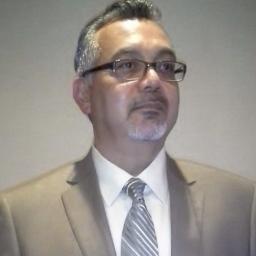
About Randall
Randall Ramirez is a California-based therapist with more than 40 years of experience. He holds dual licenses as a Licensed Clinical Social Worker (LCSW) and a Licensed Marriage and Family Therapist (LMFT). He works with people facing stress, anxiety, trauma, grief, parenting challenges, and depression.
He has worked across behavioral health, social services, residential care, and healthcare settings. That background means he is familiar with both direct client work and program management.
Background and approach
He brings practical knowledge from those varied roles into sessions. Randall places particular emphasis on early attachment and complex trauma. He also pays attention to transcultural factors and how culture shapes relationships and distress.
In the room he focuses on the relationship between past experiences and present difficulties. He uses approaches that include attachment-based work, client-centered methods, cognitive behavioral techniques, EMDR, and mindfulness. Those tools aim to reduce panic, manage intrusive memories, ease anxiety, and improve mood and connection.
He adapts methods to each person’s needs rather than following a single pathway. Randall is an adoptive father who has supported parents of children with special needs through a faith-based group. He also founded and chaired a local professional and parent roundtable on attachment to share research and practical strategies.
He offers services in English and Spanish and accepts international clients.
Approaches that translate to online care
Attachment-based work focuses on how early relationships shape current trust and closeness. In sessions this looks like talking about relationship patterns and practicing new ways of relating that feel safer and clearer. Cognitive Behavioral Therapy, or CBT, breaks problems into thoughts, feelings, and actions. It offers practical skills to reduce anxiety, manage panic, and change unhelpful thinking with concrete exercises. EMDR, Eye Movement Desensitization and Reprocessing, is geared toward traumatic memories and intense emotional reactions; it uses structured processing to reduce the intensity of those memories over time.Finding the right approach is part of therapy. The therapist will collaborate with each person to choose and adapt methods based on goals, history, and day-to-day needs. That means checking in about what helps, adjusting techniques, and combining approaches when useful rather than sticking to one method.
Online sessions make it easier to fit therapy into a busy life. Video calls allow face-to-face conversation when visual cues help. Phone sessions use less bandwidth and can be a simpler check-in. Live chat or text-based messaging supports shorter updates and ongoing reflection between sessions. These options give more flexibility for scheduling, family responsibilities, and work breaks while keeping focus on progress and practical skill-building.
Questions people ask
What kinds of concerns does Randall address?
What is his therapeutic style like?
How long has he been practicing?
What are his credentials and where is he based?
Which languages are supported in sessions?
What session formats are available?
How are sessions paid for and what do they cost?
How do I begin working with him?
What this therapist works with
Most often
Also listed
- Abandonment
- Attachment issues
- Chronic pain, illness, and disability
- Communication problems
- Depression
- Fatherhood issues
- Forgiveness
- Guilt and shame
- Isolation / loneliness
- Life purpose
- Men's issues
- Mood disorders
- Multicultural concerns
- Panic disorder and panic attacks
- Parenting issues
- Post-traumatic stress
- Prejudice and discrimination
- Sexual assault and abuse
- Social anxiety and phobia
Therapeutic approaches
- Experience
- 40 years
- Licensed
- California
- Languages
- English, Spanish
We will earn a commission if you sign up through our link, at no cost to you.