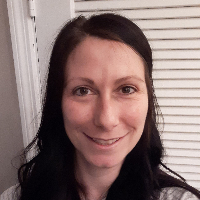
About Rachel
Rachel Young is a licensed professional counselor (LPC) with 14 years of experience. She helps people manage stress, anxiety, depression, and mood swings. She also supports those facing relationship strain, family problems, grief, and trauma.
Her work includes attention to ADHD, self-esteem, anger, and young adult issues. She has worked in hospitals, schools, and community mental health settings. That range means she has sat with people at different stages of life and need.
Background and approach
Rachel uses straightforward, practical techniques that people can try between sessions. Her style centers on client-directed care and solution-focused steps. She listens first, then helps clients set small, achievable goals.
Sessions often include talking through problems, practicing new ways of thinking, and planning next steps. Rachel draws on attachment-based ideas when relationships and family patterns matter. She also uses cognitive behavioral tools to address anxious thoughts and mood symptoms.
Mindfulness strategies and brief solution-focused work are mixed in when they fit a client's goals. She aims to make sessions feel comfortable and nonjudgmental. Treatment plans are tailored to each person’s goals and situation.
Rachel encourages practical skills people can use day to day to reduce distress and build confidence.
How Rachel’s Approaches Work Online
Attachment-based work focuses on patterns in relationships and family interactions. It helps people notice how early bonds influence current reactions and then practice different ways of connecting. Cognitive behavioral therapy, or CBT, looks at the link between thoughts, feelings, and actions and teaches concrete skills to shift unhelpful thinking and behavior. Mindfulness brings attention to the present moment and teaches simple breathing and awareness exercises to reduce reactivity and anxiety.Finding the right approach is a team effort. The therapist will listen to goals and try methods that fit the client’s situation. Plans are adjusted over time based on what helps most, so clients have a say in what techniques are used.
Online therapy offers several practical benefits. Video calls let people meet face to face without travel and are useful for in-depth sessions. Phone sessions can be a good option when bandwidth is limited or when someone prefers not to use video. Live chat and text messaging work well for brief check-ins, follow-up planning, or steady support between longer appointments. These options make it easier to fit therapy into busy schedules and keep progress moving forward.
Questions people ask
What concerns does Rachel help with?
What is her therapeutic style like?
How much experience does she have?
What credentials and location are listed?
Which languages are supported and are international clients accepted?
What session formats are available?
How does billing and cost work?
How do I begin working with her?
What this therapist works with
Most often
- Stress, Anxiety
- Family conflicts
- Anger management
Also listed
- ADHD
- Bipolar disorder
- Blended family issues
- Depression
- Divorce and separation
- Family problems
- Forgiveness
- Grief
- Mood disorders
- Relationship issues
- Self esteem
- Self-harm
- Self-love
- Social anxiety and phobia
- Trauma and abuse
- Young adult issues
Therapeutic approaches
- Experience
- 14 years
- Licensed
- Georgia
- Languages
- English
We will earn a commission if you sign up through our link, at no cost to you.