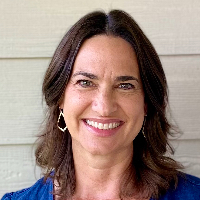
About Rachel
Rachel Garry is a Licensed Professional Counselor (LPC) with five years of clinical experience. She has worked in settings such as a family counseling center, an outpatient hospital, and a community college. Rachel helps people facing stress and anxiety, alongside concerns like depression, sleep trouble, addiction, and relationship strain.
She approaches therapy in a client-centered way. That means she starts by listening to each person’s needs and priorities. Together they choose which tools and techniques to try rather than using one fixed plan.
Background and approach
Rachel commonly draws from cognitive behavioral therapy, solution-focused therapy, motivational interviewing, and mindfulness techniques. In sessions she helps people notice unhelpful thinking patterns, set practical goals, and build small, manageable habits that support change. Her background includes work with career and educational decisions, grief, trauma and abuse, parenting stress, anger, self-esteem, bipolar mood concerns, and ADHD-related difficulties.
She also pays attention to control issues, family problems, forgiveness, life purpose, mood disorders, and women’s issues. In conversation she aims to be straightforward and calm. Sessions typically focus on clear steps you can take between meetings.
The style is collaborative and goal-oriented, but tuned to each person’s pace and comfort level.
Online approaches that fit your life
Client-centered therapy focuses on the person and their goals. The therapist listens closely and helps people name what matters most, then adapts methods to suit those goals. This approach is useful when someone needs a supportive, flexible process rather than a one-size-fits-all plan.Cognitive behavioral therapy (CBT) looks at how thoughts, feelings, and actions interact. It teaches practical tools to change unhelpful thinking and build new routines, which can help with anxiety, low mood, and sleep problems. Mindfulness techniques teach simple attention and breathing practices to reduce reactivity and improve focus during stressful moments.
Finding the right mix of approaches is part of the work together. Rachel will help you decide which methods make sense based on your needs, goals, and preferences. That decision is collaborative and can change as progress is made.
Online therapy offers flexibility through video calls, phone sessions, live chat, or text-based messaging. Video lets you see nonverbal cues and hold longer sessions. Phone can be simpler when bandwidth is limited. Live chat and text messaging work well for brief check-ins, ongoing support between sessions, or when typing feels easier than talking. These options make it easier to fit therapy into a busy life and try methods that suit your routine.
Questions people ask
What concerns does Rachel commonly address?
What is her general style in sessions?
What experience does she bring?
What credentials and location apply?
Which languages are supported and can she work internationally?
What session formats are available?
How does payment and cost work?
How do I begin working with Rachel?
What this therapist works with
Most often
- Stress, Anxiety
- Family conflicts
- Sleeping disorders
Also listed
- Addictions
- ADHD
- Anger management
- Bipolar disorder
- Career difficulties
- Control issues
- Coping with life changes
- Depression
- Family problems
- Forgiveness
- Grief
- Life purpose
- Mood disorders
- Parenting issues
- Relationship issues
- Self esteem
- Trauma and abuse
- Women's issues
Therapeutic approaches
- Experience
- 5 years
- Licensed
- Texas
- Languages
- English
We will earn a commission if you sign up through our link, at no cost to you.