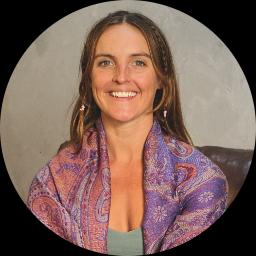
About Rachel
Rachel Anthony is an AASW social worker who helps people dealing with anxiety, stress and relationship strains. She supports those coping with trauma, low self-esteem and major life changes. Rachel writes plainly and listens closely to what matters to each person.
She has seven years' experience working with people affected by sexual assault, childhood trauma and family violence. Rachel also supports people facing grief, separation, addiction concerns and challenges linked to family of origin.
Background and approach
Her background combines practical experience in trauma work and everyday support for life transitions. Rachel uses a gentle, person-centred style that seeks to make therapy feel manageable. She draws on Compassion Focused Therapy - CFT - to build self-kindness, and brings mindfulness and somatic practices to help people notice and regulate bodily tension.
These approaches are offered alongside trauma-informed care to reduce overwhelm during sessions. Conversations are paced to each person. Sessions may include grounding strategies, breathing and body awareness, reflection on relationship patterns, and practical steps to improve confidence.
Rachel aims to help people reconnect with their needs and move toward clearer decision making. Reaching out is often the hardest part. Rachel offers a respectful, steady presence while people work through painful experiences and rebuild a sense of trust in themselves.
How Rachel Uses Therapy Techniques Online
Rachel offers a few evidence-based approaches in plain language. Compassion Focused Therapy - CFT - helps people soften self-criticism and grow kinder self-talk, which can reduce anxiety and shame. Mindfulness practices teach simple attention and breathing exercises to calm bodily stress and improve focus. Somatic techniques bring awareness to the body so people can notice and ease tension that feeds anxiety and trauma reactions. Choosing the right approach is a joint process. Rachel collaborates with each person to decide which techniques fit their needs, goals and comfort level. She will explain options, try things out, and adjust methods over time so the work feels useful and manageable. Online sessions make it easier to fit therapy into a busy life. Video calls allow face-to-face conversation when it helps, phone sessions use less bandwidth and can be clearer for short check-ins, and live chat or text-based messaging work well for brief updates or when typing feels easier. These formats increase flexibility, help maintain continuity between meetings, and let people work on skills from day to day.Questions people ask
What kinds of problems can Rachel help with?
What is her therapeutic style like?
How much experience does she have?
What credentials and location are listed?
Which languages are supported and are international clients accepted?
What session formats does she offer?
How are sessions priced?
How do I begin working with Rachel?
What this therapist works with
Most often
- Stress, Anxiety
- Relationship issues
- Trauma and abuse
Also listed
- Abandonment
- Attachment issues
- Body image
- Communication problems
- Coping with life changes
- Divorce and separation
- Domestic violence
- Drug and alcohol addiction
- Emptiness
- Family of origin issues
- Family problems
- Guilt and shame
- Hospice and end-of-life counseling
- Immigration issues
- Isolation / loneliness
- Life purpose
- Mood disorders
- Post-traumatic stress
- Self esteem
- Self-love
- Sexual assault and abuse
- Social anxiety and phobia
- Veteran and Armed Forces Issues
- Women's issues
- Experience
- 7 years
- Licensed
- Languages
- English
We will earn a commission if you sign up through our link, at no cost to you.