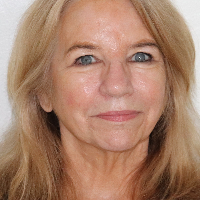
About Phyllis
Phyllis Marcus is a Licensed Marriage and Family Therapist and a Licensed Mental Health Counselor in Florida. She brings 30 years of clinical work to conversations about stress and anxiety. She writes in everyday terms and focuses on helping people find ways forward when life feels overwhelming.
Her sessions are rooted in listening first and then building practical steps together. She often uses techniques from cognitive behavioral therapy to help people notice unhelpful thoughts and try new behaviors.
Background and approach
She also draws on emotionally-focused and attachment-based ideas to improve how people relate and communicate with others. Phyllis aims to create a calm, respectful space where clients can speak honestly. She prefers straightforward language and tangible tools rather than jargon.
Sessions include short-term strategies and longer-term skills, depending on what the client needs. She has worked across many issues including relationships, trauma and abuse, grief, depression, addictions, and LGBT concerns. Communication problems are a common focus, with attention to helping people state needs and set boundaries more clearly.
Phyllis welcomes international clients and offers multiple remote session formats. Her practice uses a subscription model that can be canceled at any time, and scheduling follows a simple matching and booking process.
Therapeutic approaches and online sessions that fit your life
Acceptance and Commitment Therapy (ACT) helps people clarify what matters most and then take small, committed steps toward those values. It uses mindful noticing of thoughts and feelings so actions match what matters rather than being driven by worry. Cognitive Behavioral Therapy (CBT) focuses on identifying unhelpful thoughts and testing them with real-life experiments to reduce anxiety and change behavior. It usually includes clear techniques you can practice between sessions.Finding the right approach is a collaborative process. The therapist will talk with each person about goals, preferences, and what feels most helpful. Together they decide whether a values-based, thought-focused, or emotionally-focused route makes the most sense, and that plan can change as progress is made.
Online therapy offers flexibility through video calls, phone sessions, live chat, or text-based messaging. Video is useful for deeper conversation and visual cues, phone calls work when bandwidth is limited or a shorter check-in is needed, and chat or messaging can fit into busy days and allow brief, ongoing contact. These formats make it easier to fit therapy into school, work, or travel schedules while keeping the focus on practical steps and steady progress.
Questions people ask
What concerns does Phyllis address?
How would you describe her therapy style?
How long has she practiced?
What are her credentials and location?
Can people who live outside the United States work with her?
What session formats are available?
How are costs handled?
What is the first step to begin working together?
What this therapist works with
Most often
- Stress, Anxiety
- Relationship issues
- Trauma and abuse
Also listed
- Addictions
- Communication problems
- Depression
- Family conflicts
- Grief
- LGBT
Therapeutic approaches
- Experience
- 30 years
- Licensed
- Florida
- Languages
- English
We will earn a commission if you sign up through our link, at no cost to you.