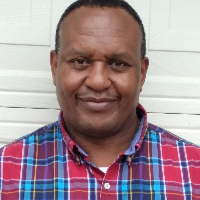
About Peter
Peter Mburu is a Licensed Professional Counselor (LPC) based in Texas who helps people manage stress, anxiety, addiction concerns, and mood problems. He works with adults facing grief, trauma, relationship strain, sleep problems, and major life changes. He speaks English, Kikuyu, and Swahili, and accepts international clients.
He draws on practical, skills-based approaches in sessions. He uses tools from cognitive behavioral therapy to challenge unhelpful thoughts. He also uses acceptance and commitment ideas to help people clarify values and take small steps toward them.
Background and approach
Peter has seven years of counseling experience and has worked with adults living with mental illness. His background includes work with people experiencing early onset psychosis and those coping with chemical dependence. He also has experience supporting international students, refugees, and people facing serious medical conditions.
In a session he focuses on building coping skills and clear strategies you can try between meetings. He will listen for what matters to you, then suggest concrete exercises, short experiments, and practical conversation techniques. Sessions tend to be straightforward and goal oriented, while also making room to talk about feelings and setbacks.
People who want a mix of evidence-based tools and collaborative planning often choose his style. He aims to help clients find manageable steps toward daily improvement and to reduce symptoms that interfere with work, relationships, or sleep.
Therapeutic approaches that translate to online work
Acceptance and Commitment Therapy (ACT) focuses on clarifying what matters to you and taking small, values-guided steps. It helps when worry or avoidance gets in the way of living the life you want. Cognitive Behavioral Therapy (CBT) looks at the link between thoughts, feelings, and actions and uses simple exercises to change unhelpful patterns. It is often used for anxiety, panic, and mood difficulties.Finding the right approach is part of the process. The therapist will work with clients to choose methods that match current needs and personal preferences. That might mean mixing ACT and CBT tools, trying short behavioral experiments, or using motivational interviewing for substance concerns. The plan changes based on what helps you make steady progress.
Online sessions are offered by video calls, phone sessions, live chat, or text-based messaging to make therapy fit into busy lives. Video calls let you have a face-to-face conversation from wherever you are. Phone sessions use less bandwidth and can be a simpler check-in on a break. Live chat and text let you share brief thoughts or follow up between meetings. These options make it easier to keep steady contact, practice skills, and track small changes over time.
Questions people ask
What kinds of concerns does he support?
How would you describe his therapeutic style?
What experience does he bring?
What credentials and location should I know?
Which languages are available for sessions?
Can sessions be held across borders?
What session formats are offered?
How does cost and scheduling work?
What this therapist works with
Most often
- Stress, Anxiety
- Addictions
- Relationship issues
Also listed
- Anger management
- Bipolar disorder
- Career difficulties
- Compassion fatigue
- Coping with life changes
- Depression
- Drug and alcohol addiction
- Family conflicts
- Family problems
- Grief
- Guilt and shame
- Immigration issues
- LGBT
- Men's issues
- Mood disorders
- Multicultural concerns
- Panic disorder and panic attacks
- Paranoia
- Parenting issues
- Post-traumatic stress
- Self esteem
- Sleeping disorders
- Social anxiety and phobia
- Trauma and abuse
- Young adult issues
Therapeutic approaches
- Experience
- 7 years
- Licensed
- Texas
- Languages
- English, Kikuyu, Swahili
We will earn a commission if you sign up through our link, at no cost to you.