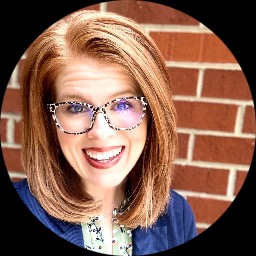
About Paula
Paula Hill is a licensed clinical social worker who has spent a decade helping people navigate anxiety, stress, grief, and relationship concerns. She holds an LCSW and an LISW and practices from her base in North Carolina. Paula approaches each person as the expert on their own life and looks for strengths to build on.
Her style is supportive and practical. She listens carefully and helps clients talk through immediate worries, like panic attacks or sleeplessness, as well as longer-term concerns such as midlife transitions or relationship communication problems.
Background and approach
Sessions focus on small, doable steps that bring relief and clearer choices. Paula often helps people facing mood shifts, depression, and the complicated feelings that come with loss. She also works with those dealing with body image, guilt and shame, and issues around attachment and isolation.
She is experienced with LGBT concerns and with the stresses that can come before, during, and after pregnancy and childbirth. Clients can expect straightforward conversation about goals and barriers. Paula pays attention to patterns that keep problems going, such as impulsive reactions or control struggles, and then helps people try new ways of responding.
She uses practical tools to manage panic, reduce overwhelm, and improve day-to-day functioning. Over time, the work aims to expand what feels possible. Paula supports people as they explore forgiveness, financial stress, life purpose, and decisions related to separation or divorce.
Progress is built one step at a time.
Evidence-informed approaches for online care
Paula draws on straightforward, evidence-based techniques that help reduce anxiety and manage panic. One commonly used approach focuses on practical coping skills for anxiety and panic attacks - teaching breathing and grounding strategies, breaking down fearful thoughts, and building quick routines to reduce overwhelm. This work aims to make intense moments easier to manage in real time.Another direction emphasizes improving communication and attachment patterns in relationships. That involves noticing interaction habits, practicing clearer ways to ask for needs, and trying small behavioral changes to reduce conflict and increase connection. These methods help with loneliness, trust issues, and patterns that keep problems repeating.
Finding the right approach is a collaborative process. The therapist will talk with each person about goals, preferences, and what has or hasn't helped before, then try methods that fit those needs. Plans are adjusted over time based on what the person finds useful.
Online therapy offers practical flexibility. Video calls allow face-to-face conversation when a longer session is needed, phone sessions can be easier when bandwidth is limited, and live chat or text-based messaging work well for short check-ins or when someone prefers typing. These options make it simpler to fit therapy into a busy life and to get consistent support between sessions.
Questions people ask
What concerns does Paula help with?
How would you describe her approach in sessions?
What is her professional background?
Where is Paula licensed to practice?
In which languages are sessions offered?
What formats are available for sessions?
How is cost handled for sessions?
How do I start working with Paula?
What this therapist works with
Most often
- Stress, Anxiety
- LGBT
- Relationship issues
Also listed
- Attachment issues
- Body image
- Communication problems
- Control issues
- Depression
- Divorce and separation
- Forgiveness
- Grief
- Guilt and shame
- Impulsivity
- Isolation / loneliness
- Life purpose
- Midlife crisis
- Money and financial issues
- Mood disorders
- Panic disorder and panic attacks
- Pregnancy and childbirth
- Self-love
- Sexuality
- Women's issues
- Workplace issues
- Experience
- 10 years
- Licensed
- North Carolina, South Carolina, Virginia
- Languages
- English
We will earn a commission if you sign up through our link, at no cost to you.