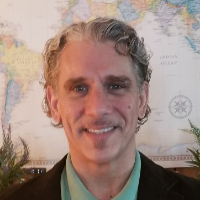
About Paul
Paul Pasternak is a Licensed Mental Health Counselor (LMHC) based in New York with 25 years of practice. He helps people manage anxiety, stress, depression, and addiction. He also supports those coping with relationship and parenting challenges and major life changes.
He favors a strength-based, client-centered style. Sessions focus on the goals the person brings. The counselor listens, reflects, and helps people find what motivates them to change.
Paul often uses motivational interviewing to build readiness for change.
Background and approach
He also uses cognitive behavioral techniques to identify unhelpful thoughts and test new behaviors. Together with each client he develops a clear care plan that outlines steps and measures progress. His approach pays attention to past trauma and to the need for a nurturing, empathetic setting.
He tracks progress and adjusts the plan when needed. The aim is steady, practical gains rather than quick fixes. Paul emphasizes hope and effort as the foundation for change.
He guides people through the small steps that add up over time. Those looking for steady support around anxiety, grief, relationship strain, or life transitions may find this approach helpful.
How Paul combines talk approaches with online care
Client-centered work places the client's goals at the center of sessions. The therapist listens carefully, reflects what he hears, and helps the person name practical next steps to reach their goals. This approach helps when people feel stuck and need someone to help them sort priorities.Cognitive Behavioral Therapy focuses on the links between thoughts, feelings, and actions. Paul uses CBT techniques to help people notice unhelpful thoughts and try new behaviors that reduce anxiety or depression. This is useful for everyday stress, anxiety, and mood concerns.
Motivational Interviewing is a conversational method that builds a person's own reasons for change. It helps with readiness when someone is unsure about making a change, such as reducing substance use or tackling difficult habits.
Finding the right approach is part of the work together. Paul will discuss options and tailor methods to match each person's needs, goals, and preferences in a collaborative way.
Online formats offer flexibility for busy schedules. Video calls support face-to-face conversation, phone sessions work well when bandwidth is limited, and live chat or text-based messaging can be used for brief check-ins or ongoing support between sessions. These options make it easier to fit therapy into work, caregiving, or travel demands.
Questions people ask
What concerns does Paul help with?
What is his therapeutic style like?
How much experience does he have?
What are his credentials and where is he based?
Which languages are sessions offered in?
What session formats are available?
How is cost handled for sessions?
How do I begin working with him?
What this therapist works with
Most often
- Family conflicts
- Anger management
- Self esteem
Also listed
- Addictions
- Aging and geriatric issues
- Career difficulties
- Caregiver issues and stress
- Coaching
- Control issues
- Coping with life changes
- Coping with natural or human-caused disaster
- Depression
- Disruptive Mood Dysregulation Disorder (DMDD)
- Divorce and separation
- Drug and alcohol addiction
- Emptiness
- Family problems
- Fatherhood issues
- Forgiveness
- Grief
- Guilt and shame
- Impulsivity
- Infidelity
- Intimacy-related issues
- Isolation / loneliness
- Jealousy
- Men's issues
- Midlife crisis
- Money and financial issues
- Multicultural concerns
- Parenting issues
- Post-traumatic stress
- Relationship issues
- Seasonal Affective Disorder (SAD)
- Social anxiety and phobia
- Stress, Anxiety
- Trauma and abuse
- Workplace issues
Therapeutic approaches
- Experience
- 25 years
- Licensed
- New York
- Languages
- English
We will earn a commission if you sign up through our link, at no cost to you.