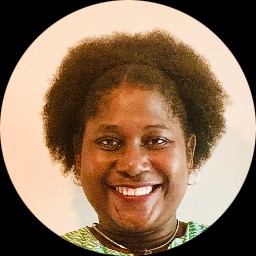
About Octazia
Octazia Short is a licensed clinical social worker in North Carolina with ten years of professional experience. She focuses on helping people who are stuck in anxiety, stress, low mood, or difficult life changes. She aims to make the first steps feel manageable and respectful, and she encourages people who are unsure to keep going.
Her work centers on practical conversations and steady support. She listens for clear problems like panic, sleeplessness, low motivation, or trouble trusting others.
Background and approach
From there she and the client shape a plan with realistic goals and small steps toward change. Octazia adapts the pace and topics to what each person needs. She pays attention to relationship wounds such as abandonment or attachment struggles, and to the strain of caregiving, separation, or blended family dynamics.
She also helps people handle guilt, shame, impulsive reactions, and feelings of isolation. Sessions often focus on what to try between meetings. That can include breathing and grounding practices, communication techniques, or simple behavior changes to reduce stress.
Progress is tracked in plain terms so people can see what’s shifting. She works with veterans and others who face trauma and mood concerns, and she offers support for people coping after natural or human-caused disasters. Conversations are tailored to the person’s goals, whether that means building confidence, managing anxiety, or finding clearer purpose in life.
Practical approaches and online care for anxiety and stress
Octazia uses evidence-based therapeutic techniques that focus on clear, practical steps. One common approach helps people learn strategies to calm the body and slow anxious thoughts, such as breathing exercises and grounding skills to use when panic rises. Another approach concentrates on changing unhelpful habits and patterns by setting small behavior goals and tracking progress between sessions, which is useful for mood and motivation problems.Finding the right method is a collaborative process. The therapist will talk with each person about their goals, symptoms, and daily routines, then try approaches that fit those needs. Together they check what works and adjust the plan so sessions stay useful and focused on progress.
Online therapy offers flexibility for busy lives. Video calls allow face-to-face conversation when a deeper connection helps. Phone sessions can be easier when bandwidth is limited or when someone prefers not to be on camera. Live chat and text messaging support shorter check-ins, quick coping reminders, and ongoing contact between visits. These options can make it simpler to keep therapy part of a regular routine.
Questions people ask
What concerns does she help with?
What is her therapeutic approach like?
How much experience does she have?
Where is she licensed and based?
Which languages are supported in sessions?
What session formats are available?
How is cost handled for sessions?
How do I begin therapy with her?
What this therapist works with
Also listed
- Abandonment
- Attachment issues
- Blended family issues
- Caregiver issues and stress
- Communication problems
- Control issues
- Coping with life changes
- Coping with natural or human-caused disaster
- Depression
- Divorce and separation
- Forgiveness
- Guilt and shame
- Impulsivity
- Isolation / loneliness
- Life purpose
- Mood disorders
- Multicultural concerns
- Panic disorder and panic attacks
- Post-traumatic stress
- Postpartum depression
- Pregnancy and childbirth
- Seasonal Affective Disorder (SAD)
- Self-love
- Sexual assault and abuse
- Sexuality
- Social anxiety and phobia
- Veteran and Armed Forces Issues
- Women's issues
- Workplace issues
- Young adult issues
- Experience
- 10 years
- Licensed
- North Carolina
- Languages
- English
We will earn a commission if you sign up through our link, at no cost to you.