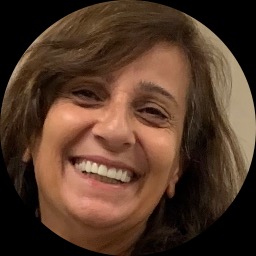
About Nawal
Dr. Nawal Aboulhosn helps people facing stress, anxiety, depression, and struggles with addictions. She is a Licensed Marriage and Family Therapist (LMFT) and a Licensed Mental Health Counselor (LMHC) based in Florida.
She speaks English and Arabic and works with clients internationally. Her approach is practical and relationship-focused. She draws on attachment-based and emotion-focused ideas to look at how important relationships shape feelings and behavior.
She also uses cognitive behavioral tools and mindfulness practices to teach skills for managing worry and difficult moods.
Background and approach
Sessions are collaborative and goal oriented. Dr. Aboulhosn uses motivational interviewing to support change and narrative therapy techniques to help people reframe their stories.
Conversations usually include skill practice, reflection, and plans for small steps between sessions. She has three years of documented experience working as a licensed clinician. Her background includes helping people affected by adoption and foster care issues, attachment concerns, and blended family transitions.
That history informs how she thinks about relationship patterns and recovery from addictive behavior. Clients can expect clear, direct guidance and tools they can use outside sessions. Dr.
Aboulhosn values cultural awareness and brings sensitivity to different family experiences. She encourages people to try one step at a time and adjust the plan as they go.
How her approaches fit into online therapy
Attachment-Based Therapy looks at how relationships shape emotion and behavior. It can help people understand patterns that contribute to anxiety and improve how they connect with others. Cognitive Behavioral Therapy, or CBT, focuses on spotting unhelpful thoughts and testing new behaviors to reduce worry and low mood. It offers clear tools to use between sessions. Emotionally-Focused Therapy emphasizes identifying and reshaping emotional responses within close relationships, which can ease distress linked to attachment wounds.Finding the right approach is part of the work. The therapist will discuss goals, preferences, and daily life to choose methods that fit. That collaborative process means techniques can be adjusted as needs change, blending relational insight with practical skill-building.
Online therapy offers flexibility through video calls, phone sessions, live chat, and text-based messaging. Video calls allow face-to-face conversation and guided exercises. Phone sessions are useful when bandwidth or camera use is limited. Live chat and text messaging let people check in between appointments or use shorter, focused exchanges during breaks. These options make it easier to keep continuity of care and fit therapy into a busy life.
Questions people ask
What concerns does she help with?
What is her therapeutic style like?
How much clinical experience does she have?
Which credentials and region apply to her practice?
Which languages are offered for sessions?
What session formats are available?
How is cost handled?
How do I begin working with her?
What this therapist works with
Most often
Therapeutic approaches
- Experience
- 3 years
- Licensed
- Florida
- Languages
- English, Arabic
We will earn a commission if you sign up through our link, at no cost to you.