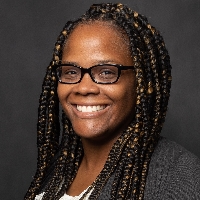
About Naharia
Dr. Naharia Heard is a Licensed Professional Counselor (LPC) in Virginia with ten years of clinical experience. She offers a calm, straightforward approach for people feeling overwhelmed by anxiety, stress, relationship strain, or grief.
Dr. Heard writes plainly and helps people learn skills to manage daily struggles and feel steadier. She draws on practical methods like cognitive behavioral techniques to change unhelpful thinking.
She also uses client-centered listening so people feel heard while they work through painful experiences.
Background and approach
Dialectical skills are used to manage strong emotions when things feel out of control. Her background includes work with people facing substance use concerns, trauma and abuse, and depression. As a mother and Army veteran, she brings real-world perspective to parenting stress and the demands of busy lives.
She practices in Virginia and meets people where they are in their recovery. Sessions often focus on building coping skills, improving communication, and setting realistic goals for change. Her style mixes skill teaching with steady support so clients can try new habits between sessions.
Motivational interviewing can help when someone is uncertain about making changes. People who connect with her can expect straightforward conversation, concrete tools, and a focus on what helps day to day. She also addresses intimacy-related issues, anger, career concerns, and compassion fatigue.
Her work aims to reduce the immediate stress that interferes with family and relationship life.
How approaches like CBT and client-centered work online
Client-centered therapy focuses on attentive listening and understanding the person's perspective. Online sessions let the therapist reflect feelings and priorities while clients describe what is most troubling in their day-to-day life.Cognitive Behavioral Therapy (CBT) helps people notice patterns of thinking that worsen anxiety or depression and then try different behaviors. Delivered by video or phone, CBT is well suited to practical homework tasks and short skill-building exercises between sessions.
Dialectical Behavior Therapy (DBT) offers concrete tools for managing intense emotions and improving relationships. Online formats can teach distress tolerance and emotion regulation skills and then practice them in real time during follow-up contacts.
Finding the right approach is part of the work. The therapist will talk with each person about their goals and preferences and together decide which methods to try first. That collaborative process helps shape a plan that fits the individual's life and needs.
Online therapy gives flexibility for busy schedules and differing comfort levels. Video calls are good for face-to-face conversation and skill demonstrations. Phone sessions use less bandwidth and can fit a work break. Live chat or text-based messaging supports brief check-ins, ongoing coaching, and step-by-step problem solving between longer sessions.
Questions people ask
What concerns does this therapist address?
How would you describe the therapy approach?
What is the therapist's background?
What credentials and location should I know about?
Which languages are supported for sessions?
What session formats are available?
How is cost handled for therapy?
How do I begin working with this therapist?
What this therapist works with
Most often
- Stress, Anxiety
- Relationship issues
- Family conflicts
Also listed
- Addictions
- Anger management
- Career difficulties
- Coaching
- Compassion fatigue
- Depression
- Grief
- Intimacy-related issues
- LGBT
- Parenting issues
- Self esteem
- Trauma and abuse
Therapeutic approaches
- Experience
- 10 years
- Licensed
- Virginia
- Languages
- English
We will earn a commission if you sign up through our link, at no cost to you.