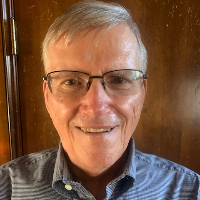
About Myron
Myron Dianiska is a licensed counselor who helps people cope with anxiety, stress, depression, and low self-esteem. He brings practical, steady support and clear steps for people feeling stuck or overwhelmed. Myron uses straightforward language and focuses on what someone needs now.
He works from a problem-solving mindset while also validating emotions. Sessions often include exercises to change unhelpful thinking, build new habits, and learn simple mindfulness practices. Myron favors methods that help people manage panic, social anxiety, and sleep problems.
Background and approach
With 50 years of experience, Myron has helped people through addiction recovery, grief, trauma, and major life transitions. That background informs how he approaches complex challenges like compulsions, process addictions, and mood disorders. He pays special attention to issues common to men and young adults, including fatherhood concerns and career direction.
His style is collaborative and goal-focused. Clients set short-term targets and track small wins between sessions. He blends Acceptance and Commitment Therapy, Cognitive Behavioral Therapy, client-centered techniques, and mindfulness to make changes feel doable.
Myron practices in Texas and holds credentials as a Licensed Professional Counselor, LPC, and a Licensed Psychological Associate, LPA. He offers several formats for connecting so people can pick what fits their schedule and needs.
How his approaches shape online care
Acceptance and Commitment Therapy, or ACT, helps people notice difficult thoughts and feelings without getting stuck in them. It focuses on what matters most and encourages small actions that reflect personal values, which can help with anxiety and life purpose issues.Cognitive Behavioral Therapy, or CBT, teaches practical skills to change unhelpful thinking and behavior patterns. It is often used for panic attacks, social anxiety, phobias, and depressive symptoms by breaking problems into manageable steps.
Finding the right approach is part of the work. He collaborates with each person to choose methods that match their goals, preferences, and day-to-day needs. That might mean mixing ACT with CBT and client-centered techniques until a good fit is found.
Online sessions make it easier to keep therapy consistent. Video calls let people use visual cues and work through skills in real time. Phone sessions can be a better fit when bandwidth is limited or a shorter check-in is needed. Live chat and text messaging allow brief updates, hands-on coaching, or ongoing support between sessions. These options give flexibility for busy schedules, work breaks, and varied comfort with being on camera.
Questions people ask
What concerns does this therapist address?
How would you describe his therapeutic style?
What is his background and experience?
What credentials and location are listed?
Which languages are sessions offered in?
What session formats are available?
How does cost and billing work?
How do I begin working with him?
What this therapist works with
Most often
- Stress, Anxiety
- Self esteem
- Career difficulties
Also listed
- Addictions
- ADHD
- Anger management
- Bipolar disorder
- Coaching
- Compassion fatigue
- Coping with life changes
- Depression
- Drug and alcohol addiction
- Family conflicts
- Fatherhood issues
- Grief
- Intimacy-related issues
- Life purpose
- Men's issues
- Mood disorders
- Obsessions, compulsions, and OCD
- Panic disorder and panic attacks
- Parenting issues
- Phobias
- Post-traumatic stress
- Process addiction (porn, exercise, gambling)
- Relationship issues
- Seasonal Affective Disorder (SAD)
- Sleeping disorders
- Smoking / vaping cessation
- Social anxiety and phobia
- Trauma and abuse
- Workplace issues
- Young adult issues
Therapeutic approaches
- Experience
- 50 years
- Licensed
- Texas, New Jersey, New Mexico
- Languages
- English
We will earn a commission if you sign up through our link, at no cost to you.