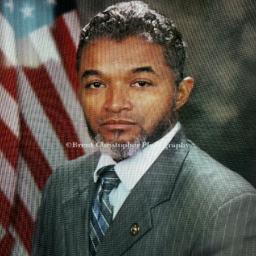
About Morris
Dr. Morris Lewis is a Colorado psychologist with a Ph.D. in Counseling Psychology and more than 25 years of clinical experience. He has worked with many people facing stress, anxiety, mood concerns, addictions, and relationship challenges.
He focuses on practical help that fits each person's life and goals. Dr. Lewis starts by meeting people where they are and learning what matters most to them.
He pays attention to feelings and the thoughts that drive behavior.
Background and approach
Sessions often include identifying triggers and working on ways to change unhelpful thinking patterns. He draws on several methods to shape sessions, choosing tools that match a person's needs. That can mean short-term problem solving for a pressing issue or a deeper look at attachment and emotional patterns for recurring struggles.
The pace is set by the person in therapy and their immediate priorities. People come to him for help with grief, parenting strain, intimacy concerns, anger, low self-esteem, career stress, and major life changes. He also supports those facing substance use problems, bipolar disorder, and depression by combining practical skills with clearer emotional understanding.
Throughout his work Dr. Lewis keeps things straightforward. He talks through clear steps, offers homework when helpful, and reviews progress regularly.
His goal is to help people feel more capable of handling life’s demands and relationships.
How his approaches translate to online work
Client-Centered Therapy focuses on listening closely and building a collaborative relationship; it helps people feel heard and clarifies what they want from therapy. Cognitive Behavioral Therapy, or CBT, looks at the connection between thoughts, feelings, and actions and teaches concrete skills for changing unhelpful thinking patterns. Emotionally-Focused Therapy concentrates on emotional responses and attachment patterns, which can help with intimacy and relationship-related struggles.Finding the best fit is a shared process. The therapist will discuss goals and try different approaches until a comfortable match emerges. Sessions are shaped by the client’s needs, and adjustments are made over time based on progress and preference.
Online therapy offers practical flexibility. Video calls let people work face-to-face when interaction and visual cues matter. Phone sessions can be shorter check-ins or a lower-bandwidth option. Live chat and text-based messaging make it possible to get support between sessions or when scheduling a real-time appointment is hard. These options help people keep therapy consistent while fitting care into their daily life.
Questions people ask
What kinds of concerns does he address?
What is his general therapy style?
How much clinical experience does he have?
What are his credentials and where is he based?
Are sessions offered in other languages?
What session formats are available?
How is payment handled?
How do I begin working with him?
What this therapist works with
Most often
- Stress, Anxiety
- Addictions
- Relationship issues
Also listed
- Abandonment
- Anger management
- Attachment issues
- Bipolar disorder
- Career difficulties
- Caregiver issues and stress
- Coaching
- Commitment issues
- Communication problems
- Compassion fatigue
- Control issues
- Coping with life changes
- Depression
- Drug and alcohol addiction
- Emptiness
- Family conflicts
- Family of origin issues
- Family problems
- Fatherhood issues
- Forgiveness
- Grief
- Guilt and shame
- Impulsivity
- Infidelity
- Intimacy-related issues
- Isolation / loneliness
- Jealousy
- Life purpose
- Men's issues
- Midlife crisis
- Money and financial issues
- Multicultural concerns
- Parenting issues
- Prejudice and discrimination
- Self esteem
- Self-love
- Sexuality
- Workplace issues
- Young adult issues
Therapeutic approaches
- Experience
- 25 years
- Licensed
- Colorado
- Languages
- English
We will earn a commission if you sign up through our link, at no cost to you.