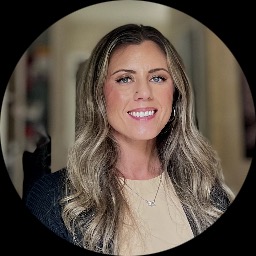
About Morgan
Morgan Sternhagen, LCPC, works from Montana and brings three years as a licensed clinical professional counselor to her practice. She focuses on helping people who are dealing with stress, anxiety, trauma, depression, and life shifts. Morgan aims to build a strong working relationship based on empathy and respect.
She keeps language simple and practical during sessions so people can use what they learn right away. Her approach emphasizes consistency and practice.
Background and approach
She helps clients try strategies and checks what actually helps in daily life. Morgan uses Cognitive Behavioral Therapy and other tools to address thoughts and behaviors that feed anxiety and mood problems. She also draws on Attachment-Based and Trauma-Focused approaches when those perspectives fit a person's history.
Morgan has experience in a variety of settings, including hospital, residential, community-based, and outpatient care. That background shaped how she works with people facing trauma, abuse, and ongoing stress. She focuses on clear goals and step-by-step changes rather than quick fixes.
In sessions she listens for what a person needs and adapts methods to match. She supports parents navigating parenting challenges and people coping with grief, relationship strain, or career transitions. Morgan describes therapy as a collaborative process where the client’s goals guide the plan.
Her style is direct but kind. Morgan encourages small, manageable steps and practices clients can repeat between sessions. She invites people to try different strategies until they find what helps most.
Therapeutic approaches and online options
Attachment-Based Therapy looks at how early relationships shape current patterns. Morgan uses this approach to help people notice how past bonds affect trust, closeness, and reactions to stress. Cognitive Behavioral Therapy, or CBT, focuses on identifying unhelpful thoughts and testing out new behaviors. It is often used for anxiety, panic, and mood problems because it gives concrete skills to try between sessions.Choosing the right approach is a shared process. Morgan talks with each person about their history, goals, and what has helped before. Together they decide which methods to try and adjust the plan based on what actually produces change for the client.
Online formats include video calls, phone sessions, live chat, and text-based messaging. Video allows face-to-face conversation for deeper interactions, while phone sessions can work well when lower bandwidth or no camera is preferred. Live chat and text messaging make it easier to fit quick check-ins or short skills practice into a busy day. These options make therapy more flexible and easier to fit into work, school, or family schedules.
Questions people ask
What concerns does Morgan help with?
How would you describe her therapeutic style?
What background does she bring to sessions?
What are her credentials and where is she located?
Which languages are available for sessions?
What session formats are offered?
How are costs and subscriptions handled?
How do I begin working with her?
What this therapist works with
Most often
- Stress, Anxiety
- Trauma and abuse
- Parenting issues
Also listed
- Addictions
- Anger management
- Attachment issues
- Bipolar disorder
- Body image
- Career difficulties
- Coping with life changes
- Depression
- Divorce and separation
- Family conflicts
- Grief
- Guilt and shame
- Mood disorders
- Narcissism
- Panic disorder and panic attacks
- Post-traumatic stress
- Relationship issues
- Self esteem
- Social anxiety and phobia
- Young adult issues
Therapeutic approaches
- Experience
- 3 years
- Licensed
- Montana
- Languages
- English
We will earn a commission if you sign up through our link, at no cost to you.