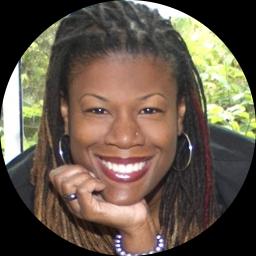
About Monica
Monica Williams is a Licensed Clinical Mental Health Counselor (LCMHC) based in North Carolina with 15 years of experience. She aims to help people whose minds feel restless, who keep trying self-help without lasting change, or who wonder about life purpose. Monica writes plainly and meets people where they are.
Monica draws from a mix of clinical approaches while keeping sessions grounded and practical. She uses client-centered listening to understand what matters most to each person.
Background and approach
She also brings in cognitive behavioral tools to help people notice and change unhelpful thinking patterns. Her style is warm and down-to-earth. She can use humor, compassion, and a holistic outlook to make hard conversations easier.
Sessions are often collaborative and paced to match the client’s needs. Monica commonly supports people dealing with stress and anxiety, depression, relationship concerns, trauma and abuse, and attention challenges like ADHD. She also addresses attachment issues, communication problems, guilt and shame, and feelings of isolation or lack of purpose.
In therapy she focuses on practical steps you can try between sessions. That might include tools to manage panic, strategies for clearer communication, or exercises to reduce impulsive reactions. The aim is steady progress rather than quick fixes.
People who prefer a spiritually open or holistic approach may find her style a good fit. Monica works with adults and encourages clients to bring their whole experience to the work, including values and beliefs that matter to them.
Approaches that guide online sessions
Client-Centered Therapy focuses on listening and understanding each person’s experience. It helps people feel heard and clarify what matters to them, which can reduce stress and make decisions easier.Cognitive Behavioral Therapy, or CBT, looks at how thoughts, feelings, and actions connect. It offers practical strategies to reduce anxiety, manage panic, and change patterns that keep problems going.
Monica treats finding the right approach as a team effort. She will talk with each client about goals, preferences, and what has or hasn’t helped before, and together they choose which methods to try first. That collaborative process can be adjusted as progress is made.
Online sessions are offered by video calls, phone, live chat, or text-based messaging to fit different schedules and needs. Video works well for a deeper conversational session, phone is useful when bandwidth is limited, live chat can be a quick check-in, and text messaging supports brief updates or ongoing check-ins. These options make it easier to fit therapy into work breaks, parenting routines, or when travel would otherwise be a barrier.
Questions people ask
What concerns does Monica address?
How would you describe her therapeutic style?
How much clinical experience does she have?
What credential does she hold and where is she located?
Which languages are sessions offered in?
What session formats are available?
How does payment and cost work?
What are the first steps to begin therapy?
What this therapist works with
Most often
- Stress, Anxiety
- Relationship issues
- Trauma and abuse
Also listed
- ADHD
- Attachment issues
- Commitment issues
- Communication problems
- Control issues
- Depression
- Family of origin issues
- Forgiveness
- Guilt and shame
- Impulsivity
- Isolation / loneliness
- Life purpose
- Midlife crisis
- Multicultural concerns
- Narcissism
- Panic disorder and panic attacks
- Post-traumatic stress
- Self-love
- Social anxiety and phobia
- Women's issues
Therapeutic approaches
- Experience
- 15 years
- Licensed
- North Carolina
- Languages
- English
We will earn a commission if you sign up through our link, at no cost to you.